You don’t have to wear an Edwardian gown to learn something from Edwardian fashion.
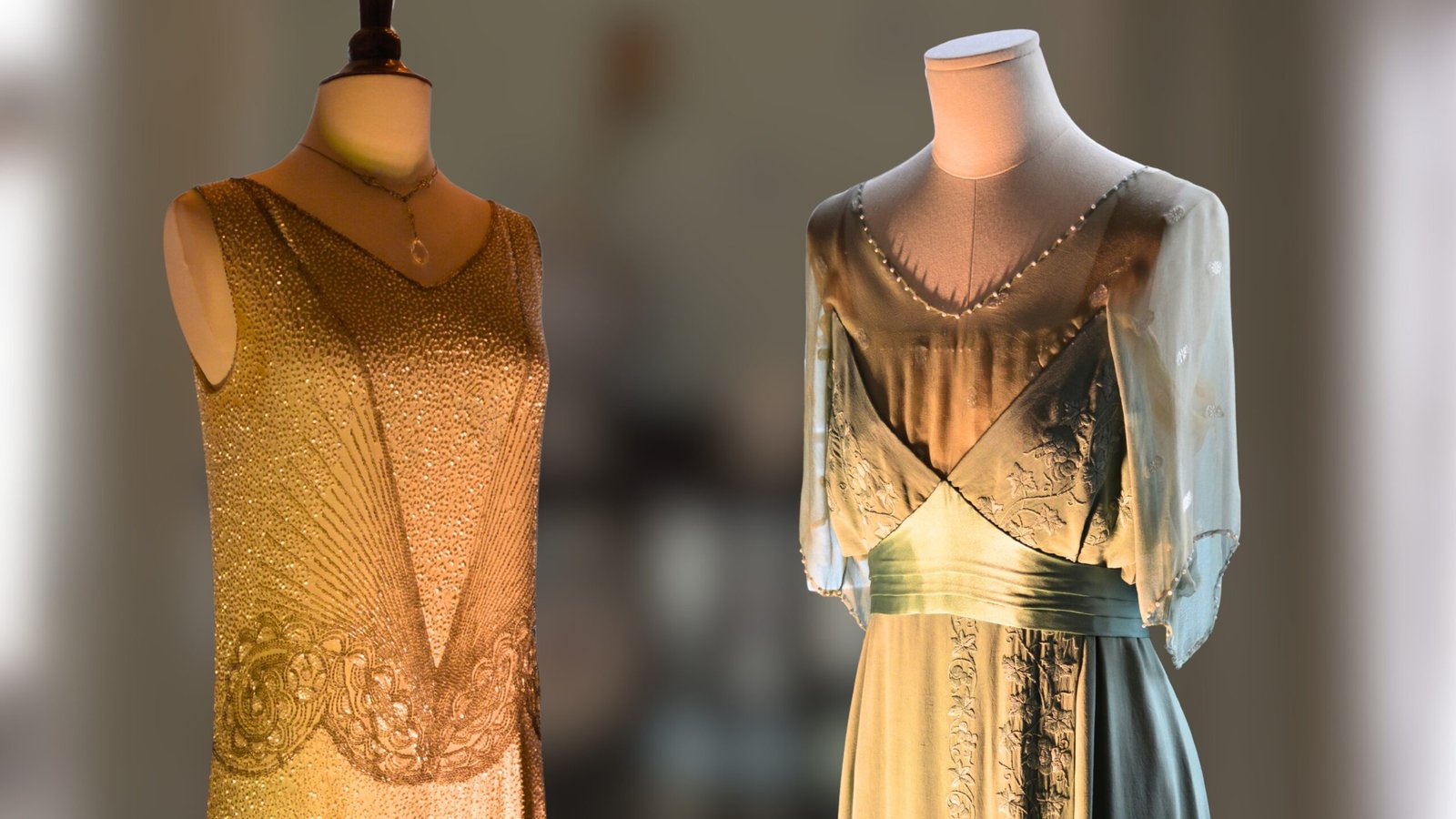
When I visited the Downton Abbey costume exhibition at Casa Loma, I found myself looking at the costumes less as movie costumes and more as a designer.
What makes this dress look beautiful?
Why does this sleeve feel elegant?
Why does this particular fabric combination look stunning?
And, perhaps most importantly: Which of these details can we still look for when buying clothes today?
That is what makes historical fashion so interesting. Trends change, but good design principles don’t disappear.
Here are some of the details I noticed that you can actually use the next time you’re shopping for a dress, sweater, jacket or complete outfit.
1. Start With the Silhouette, Not the Decoration
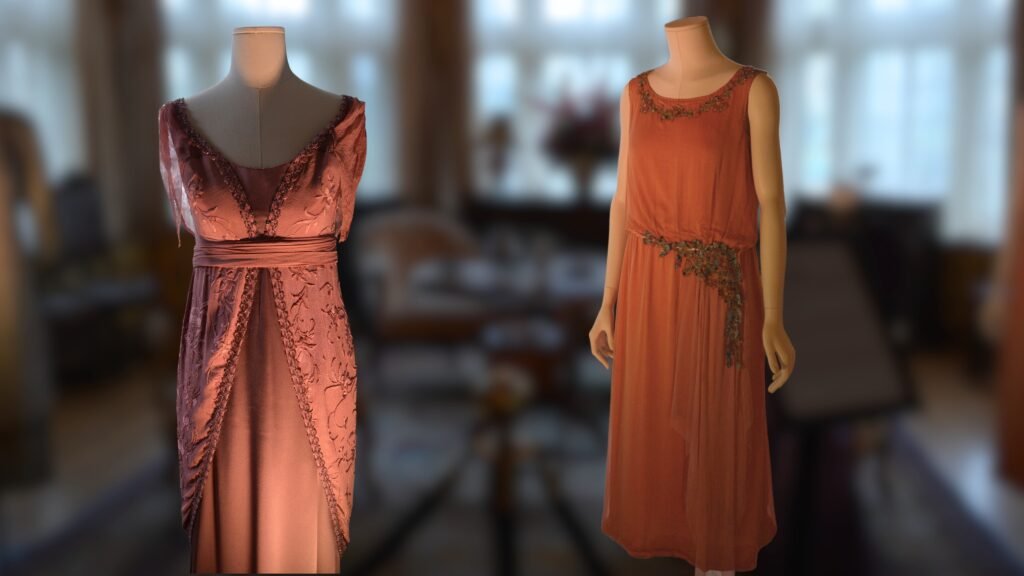
Before looking at embroidery, lace or other decoration, look at the overall shape.
Edwardian clothing was carefully constructed to create a particular silhouette. The relationship between the shoulders, bust, waist and skirt was intentional.
This is still one of the easiest ways to tell whether a modern garment has been thoughtfully designed.
When shopping, don’t ask only:
“Do I like this dress?”
First ask:
“Do I like the shape this dress creates?”
Look at the garment from a distance.
Does the shoulder line look balanced?
Does the waist fall in the right place?
Does the skirt or trouser shape complement the top?
Does the garment create a clean overall line?
A dress with very little decoration can look far more sophisticated than an elaborate dress with poor proportions.
The silhouette does most of the work.
2. Look at the Neckline — It Changes Everything
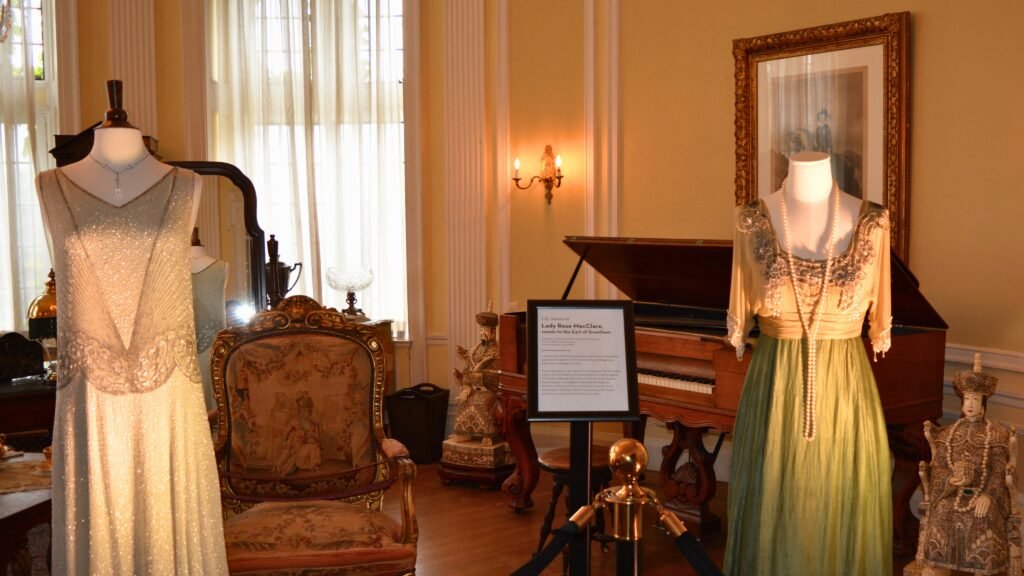
One of the details I always notice in well-designed clothing is the neckline.
The neckline is close to your face, so it has an enormous effect on how an outfit looks.
Historical designers understood this very well.
High collars, rounded necklines, delicate lace edges and carefully shaped openings could completely change the impression of the same basic garment.
When shopping today, look beyond whether a neckline is currently fashionable.
Ask yourself:
Does this neckline work with the rest of the garment?
A neckline that follows the proportions of the shoulders and body usually looks more intentional.
And there is another practical reason to pay attention to it: the right neckline can make a simple outfit look considerably more polished.
3. Pay Attention to Sleeve Shape
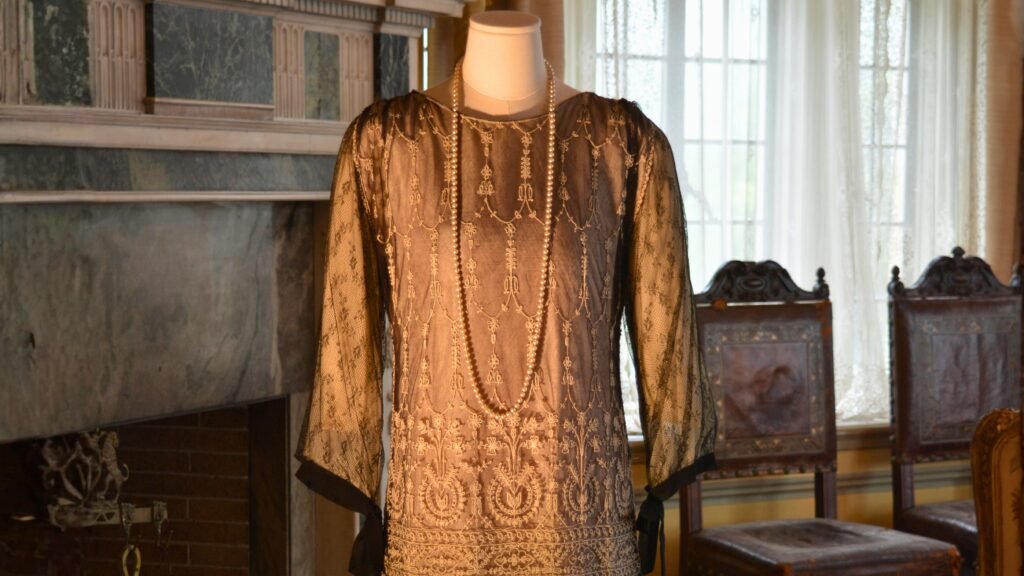
Sleeves are another detail that can make a surprisingly big difference.
Look at the way an Edwardian sleeve expands, narrows, gathers or finishes at the wrist.
The sleeve isn’t just a functional part of the garment. It helps create the silhouette.
This is still true today.
Compare a simple blouse with a beautifully shaped sleeve to one with an ordinary straight sleeve. The difference can be subtle, but the first garment often looks much more considered.
When shopping, notice:
- where the sleeve begins on the shoulder
- how much volume it has
- where it narrows
- the shape of the cuff
- how the sleeve relates to the body of the garment
A beautiful sleeve can make a very simple outfit memorable.
4. Texture Can Make an Outfit Look More Expensive
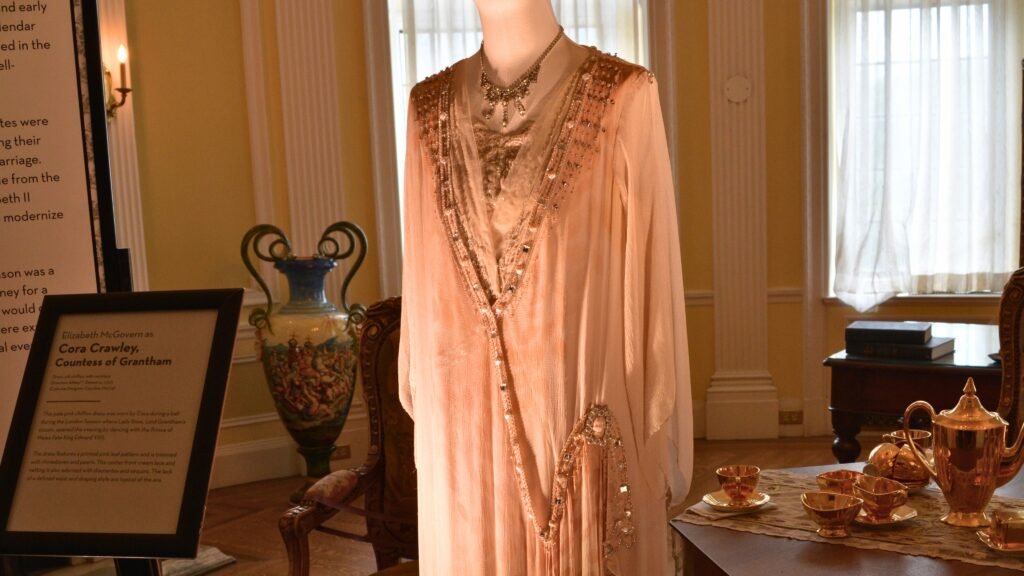
One of my favorite things about historical clothing is the use of texture.
A garment doesn’t need a lot of color to be interesting.
Texture can create the visual richness instead.
Think about combinations such as:
silk + lace
matte wool + satin
velvet + delicate fabric
smooth fabric + embroidery
You can use exactly the same principle when dressing today.
If you’re wearing a neutral outfit, don’t automatically add more accessories.
Instead, consider adding different textures.
A cream knit with a silk skirt can be more interesting than an outfit covered in decorative details.
A wool coat with a smooth leather shoe can create contrast without looking busy.
When an outfit feels flat, texture is often the missing element.
5. Good Embellishment Has a Purpose
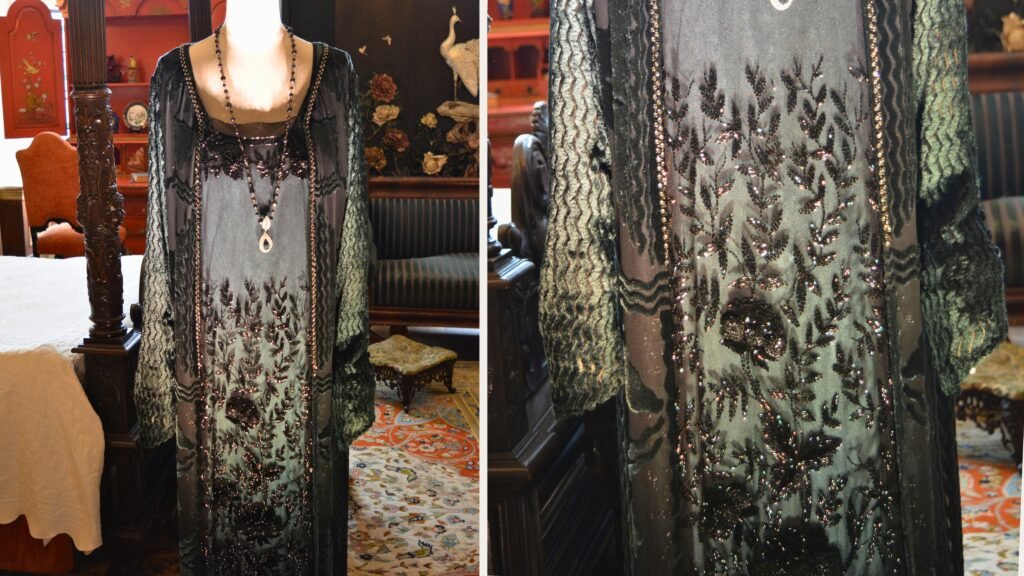
Historical garments can be incredibly decorative, but the best details don’t feel random.
Look at where embroidery or beading is placed.
Does it follow the neckline?
Does it emphasize the waist?
Does it create a border?
Does it draw your eye vertically?
This is a useful test when buying modern clothing.
Instead of thinking, “This has beautiful details,” ask:
“What are these details doing for the design?”
If embellishment supports the silhouette, it tends to look sophisticated.
If decoration is simply scattered everywhere, the garment can quickly look less refined.
You don’t necessarily need less detail.
You need more intentional detail.
6. Look for Interesting Details Around the Waist
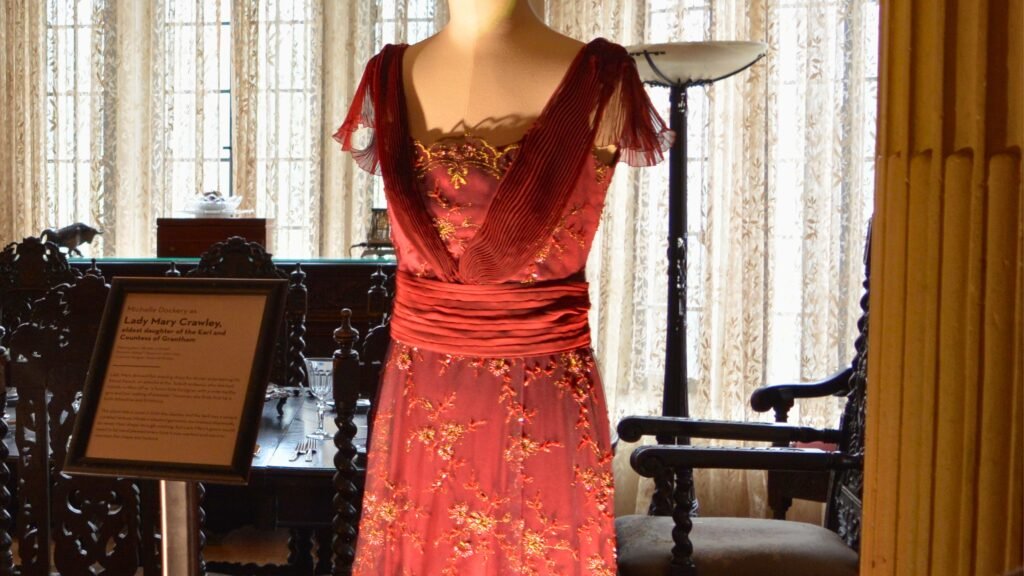
The waist is one of the most important areas in a garment because it affects the proportions of the entire body.
Edwardian clothing used seams, belts, gathering, draping and other construction techniques to control the waist and create the desired silhouette.
Today, you can look for the same idea in much simpler forms.
A beautifully positioned waist seam can make a dress look more polished.
A narrow belt can give structure to a loose silhouette.
A jacket with carefully placed shaping can look much more flattering than an oversized piece with no defined structure.
When shopping, pay attention to where the garment creates its visual center.
It doesn’t always need to be your natural waist. What matters is that the placement feels intentional.
7. The Fabric Should Match the Design
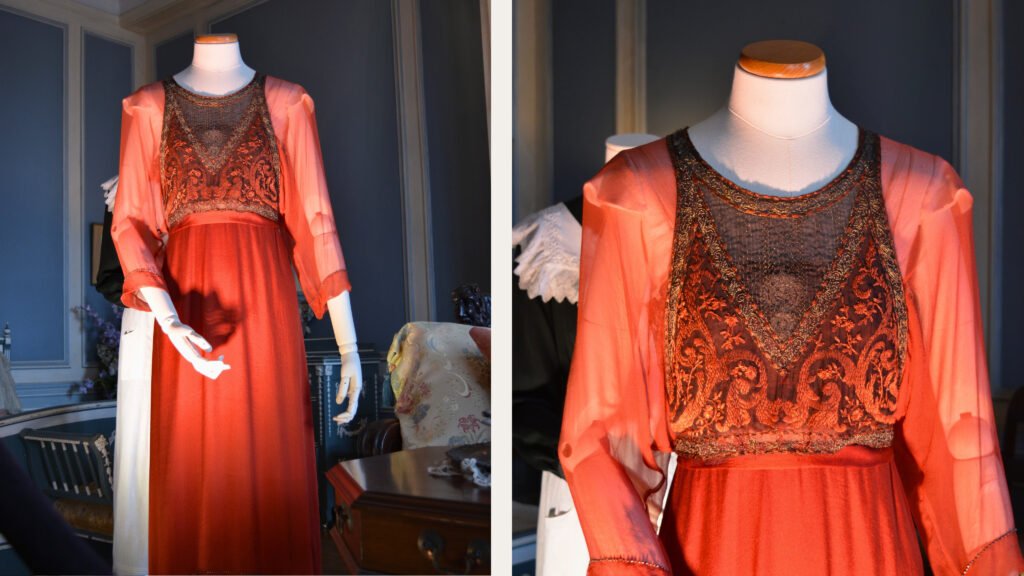
This is one of the most important lessons you can take from beautifully made historical clothing.
A design can be excellent on paper and still fail if the fabric isn’t right.
A structured silhouette needs a fabric with enough body to support it.
A flowing dress needs fabric that can actually drape.
A delicate detail needs a material that doesn’t make it look heavy.
When shopping online, look carefully at photographs showing the fabric in motion.
Ask:
Does the fabric behave the way the design requires?
This can help you avoid one of the most common problems with inexpensive clothing: a good-looking design made in a fabric that doesn’t have the right weight, drape or structure.
8. Don’t Ignore the Finishing
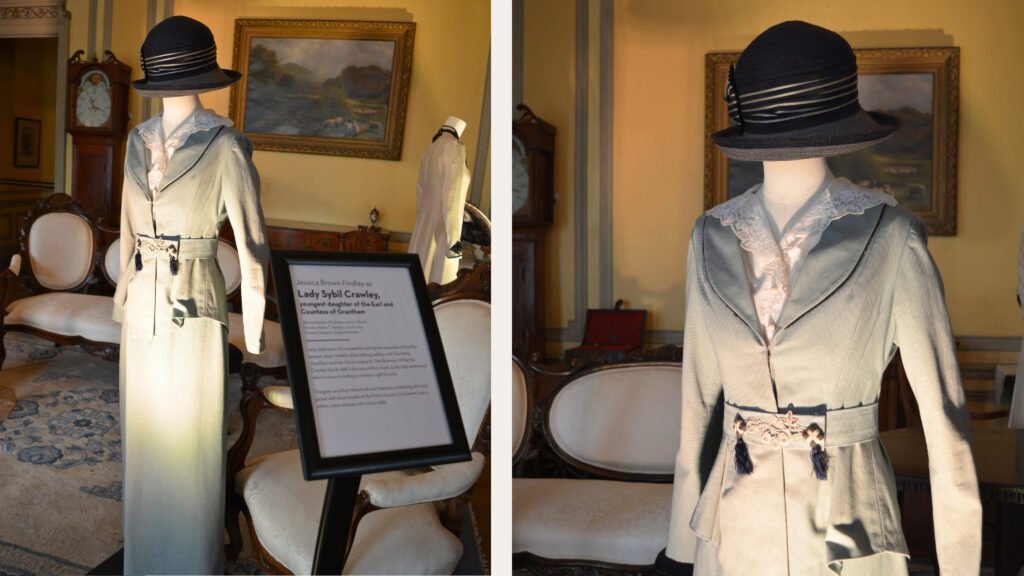
Finishing isn’t usually the first thing we notice.
But it is one of the things that separates a garment that looks carefully made from one that looks inexpensive.
Look at hems.
Look at cuffs.
Look at seams.
Look at buttons and closures.
Look at how the edges are finished.
Even when you’re shopping online, some of these details can be visible in close-up product photographs.
Zoom in.
Don’t just look at the model photograph.
The close-up photographs often tell you more about quality than the main product image.
9. You Don’t Need an Elaborate Outfit to Use These Ideas
This may be my favorite lesson from historical fashion.
You don’t need lace, embroidery, velvet and a dramatic silhouette to create an elegant outfit.
You can take just one design principle and use it in a modern wardrobe.
Try:
A beautifully shaped sleeve.
A refined neckline.
A well-proportioned jacket.
A textured neutral outfit.
A dress with an interesting waistline.
A simple coat with excellent construction.
The goal isn’t to recreate Edwardian fashion.
It’s to understand why it worked.
How to Shop Like a Designer
The next time you’re shopping for a dress or outfit, try looking at the garment in this order:
1. Silhouette
Does the overall shape work?
2. Proportion
Do the individual parts look balanced?
3. Fabric
Does the material suit the design?
4. Construction
Do the seams, sleeves and shaping look intentional?
5. Texture
Does the garment have enough visual interest?
6. Details
Do the decorative elements actually contribute to the design?
7. Finishing
Do the small details look carefully executed?
Only after that would I worry about whether the garment is having a “moment” on social media.
Because trends can tell you what is popular.
Design tells you what is beautiful.
What I Took Away From the Downton Abbey Exhibition
Walking through the exhibition, I was reminded that beautiful clothing isn’t necessarily about having more.
More embellishment.
More accessories.
More colors.
More trends.
Often, it is about making better decisions.
A beautiful neckline.
The right fabric.
A thoughtful sleeve.
Good proportions.
A carefully placed detail.
A clean finish.
These are the things you can still look for when shopping today — whether you’re buying a $50 dress or investing in something you hope to wear for years.
And perhaps that is the best thing historical fashion can teach us.
You don’t have to copy the past to borrow its best ideas.
You just have to learn how to look.
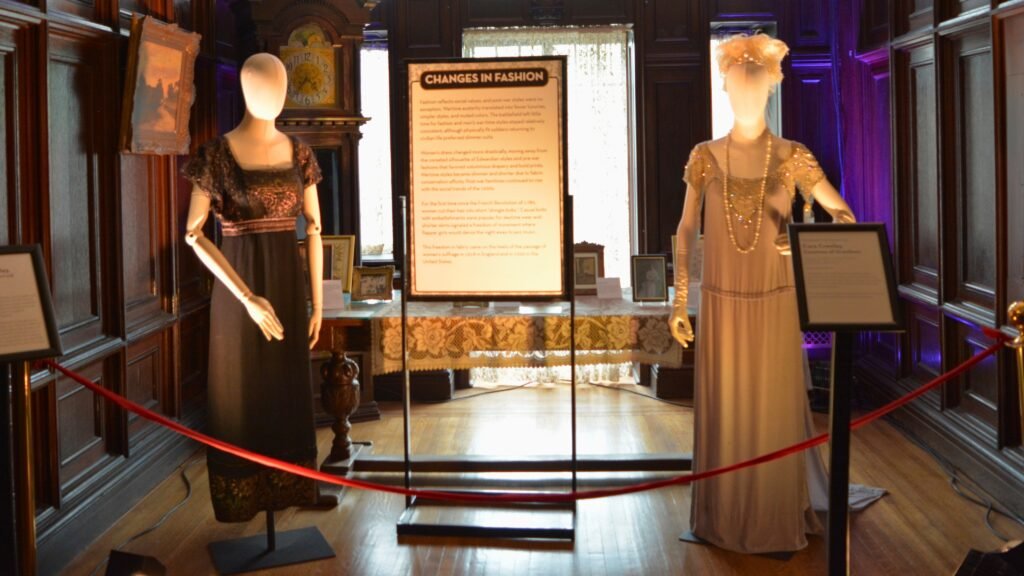
The most useful inspiration from historical fashion isn’t necessarily the style itself. It’s learning to recognize the design details that make clothing beautiful.