Because great style isn’t about the label inside your clothes. It’s about how you look, how you feel, and how effortlessly you wear them.
There is a certain magic in clothing that fits you perfectly. The shoulders fall just right, the waist feels sculpted rather than squeezed, and the silhouette looks intentional from every angle. Suddenly, even the simplest outfit feels more expensive.
This is where bespoke and made-to-measure tailoring enter the conversation. Both offer a more personal approach to dressing than buying straight off the rack, but they take different routes to achieving that perfect fit.
And no, this isn’t just a conversation about men in Savile Row suits. Women can benefit just as much from exceptional tailoring. From a perfectly cut blazer to an elegant evening gown, a tailored garment can transform the way almost anything looks on the body.
So, what is the difference between bespoke and made-to-measure, and which deserves a place in your wardrobe?
Made-to-Measure: Your Style, Refined
Think of made-to-measure as taking a beautiful design and making it yours.
A tailor begins with an existing pattern and adjusts it to your measurements. You choose the fabric, lining, buttons, lapels, pockets and other details, while the proportions are modified to create a more flattering fit.
The result? Clothing that feels personal without requiring months of fittings or the budget of a couture commission.
For men, this might mean a navy suit that follows the shoulders properly, trousers that fall cleanly, or a blazer that looks sharp without feeling restrictive.
For women, it could be a beautifully fitted jacket, tailored trousers, a structured dress or a suit that feels polished without sacrificing femininity or comfort.
The real advantage is versatility. Made-to-measure makes it easier to build a wardrobe of pieces you will actually wear, rather than saving your investment for one special occasion.
The experience: Usually one measurement appointment, followed by production and a final fitting if needed. Depending on the tailor, the process typically takes around three to six weeks.
The price: As a broad guide, made-to-measure suits may cost approximately $800–$2,500, although simpler garments can cost less and luxury fabrics or designers can push prices higher.
Best for: Anyone who wants a better fit, greater creative control and a wardrobe that looks considered without becoming a long-term project.
Bespoke: When Clothing Becomes Personal Art
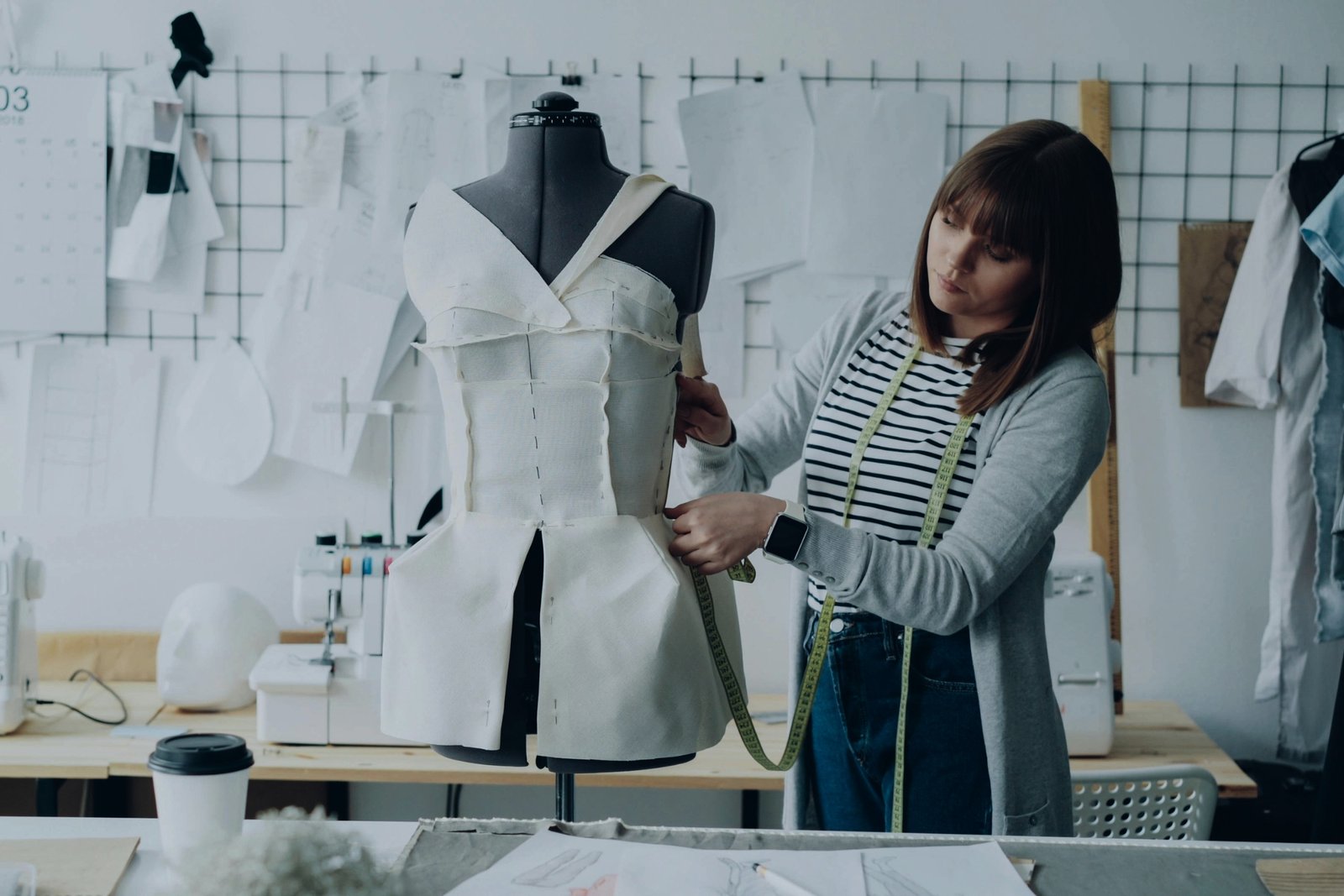
Bespoke is a different proposition. Rather than adapting an existing pattern, the tailor creates a unique pattern specifically for you.
Your posture, shoulder slope, proportions and the way you naturally stand are all considered. The garment is developed through multiple fittings, allowing the tailor to refine the structure, balance and silhouette as the piece takes shape.
This is where tailoring becomes a collaboration between craftsmanship and personal expression.
A man might commission a softly structured jacket with wide peak lapels, a distinctive shoulder line and a fabric selected from an exceptional mill.
A woman might create a sharply sculpted blazer, a perfectly balanced trouser suit or an evening ensemble with a silhouette that would be difficult to find in ready-to-wear collections.
And bespoke isn’t simply about looking formal. It can be about creating a signature style: the jacket you reach for every season, the dress that fits exactly as you imagined, or the coat that feels unmistakably yours.
The experience: Expect several fittings, often three to five, over approximately two to three months or longer. Traditional bespoke tailoring may involve a temporary, partially assembled garment that allows the tailor to adjust the cut directly on your body.
The price: A bespoke suit may cost around $3,500–$7,000 or more, depending on the tailor, fabric, construction and location. Bespoke dresses, jackets and other garments have their own pricing structures.
Best for: Those who appreciate exceptional craftsmanship, have particular fit requirements, want substantial design freedom or see clothing as a long-term investment in personal style.
Bespoke vs. Made-to-Measure: The Details That Matter
| Made-to-Measure | Bespoke | |
|---|---|---|
| Pattern | Existing pattern adapted to your measurements | Unique pattern drafted for you |
| Fit | Personalized adjustments | More extensive, individual shaping |
| Design freedom | Selection of styles and details within a framework | Broader freedom to develop the design |
| Fittings | Usually one or two | Often three to five |
| Typical timeline | Around 3–6 weeks | Around 8–12 weeks or longer |
| Typical suit price | $800–$2,500 | $3,500–$7,000+ |
| Experience | Efficient and customizable | Detailed and collaborative |
These are general guidelines, not universal rules. Some made-to-measure houses offer sophisticated construction and multiple fittings, while bespoke standards vary between tailors. The label alone doesn’t guarantee quality.
Why Women Should Pay Attention, Too
For years, bespoke tailoring has been associated with men’s formalwear. But the principles behind a beautifully made garment have no gender.
Women’s bodies come in a wide variety of proportions, and standard sizing can struggle to accommodate differences between shoulders, bust, waist and hips. A jacket may fit across the bust but pull at the shoulders; trousers may fit the hips but gape at the waist. A dress may look beautiful on the hanger and entirely different when worn.
Tailoring can address these issues while giving women greater control over cut, structure and proportion.
It can also move beyond correcting fit. A woman might want a powerful, architectural blazer, a relaxed trouser suit, a sculptural coat or an evening dress with precisely placed seams. Made-to-measure can bring many of these ideas to life; bespoke allows for a more individual approach when the design or fit demands it.
For men, the same principle applies. The right shoulder line, jacket length, trouser break and overall balance can make a familiar silhouette feel entirely different.
The point isn’t to dress like a man or a woman is expected to dress. It’s to wear clothing that works for your body and reflects your taste.
Is Bespoke Worth the Extra Money?
Sometimes. But not automatically.
If your main frustration is that ready-to-wear clothing never quite fits, made-to-measure may solve the problem without the additional expense and waiting time of bespoke.
If you have unusual proportions, a very specific design in mind or a deep appreciation for traditional tailoring, bespoke may justify the investment.
Consider how often you’ll wear the garment, how well it works with your existing wardrobe and whether the difference in construction and fit is meaningful to you.
One beautifully made jacket that works with trousers, denim and eveningwear may offer more value than an elaborate piece that spends most of its life in the closet.
And remember: bespoke does not automatically mean better quality in every respect. Fabric, pattern cutting, construction, finishing and the skill of the tailor all matter. Ask what is actually being made for you, how many fittings are included and what alterations are covered.
The Final Fitting: Your Wardrobe, Your Rules
Luxury today is less about owning more and more about choosing well.
Made-to-measure gives you the freedom to personalize your wardrobe with a better fit and a more streamlined process. Bespoke offers a deeper collaboration, where the garment is developed around your body and your vision from the beginning.
Neither requires you to follow a traditional dress code. You can commission a suit for business, a blazer for travel, a dress for a celebration or a coat that becomes part of your signature look.
The smartest choice is the one that matches your priorities, your budget and the way you want to dress.
Because true personal style isn’t about wearing the most expensive thing in the room. It’s about wearing something that feels as though it could belong to no one else.