
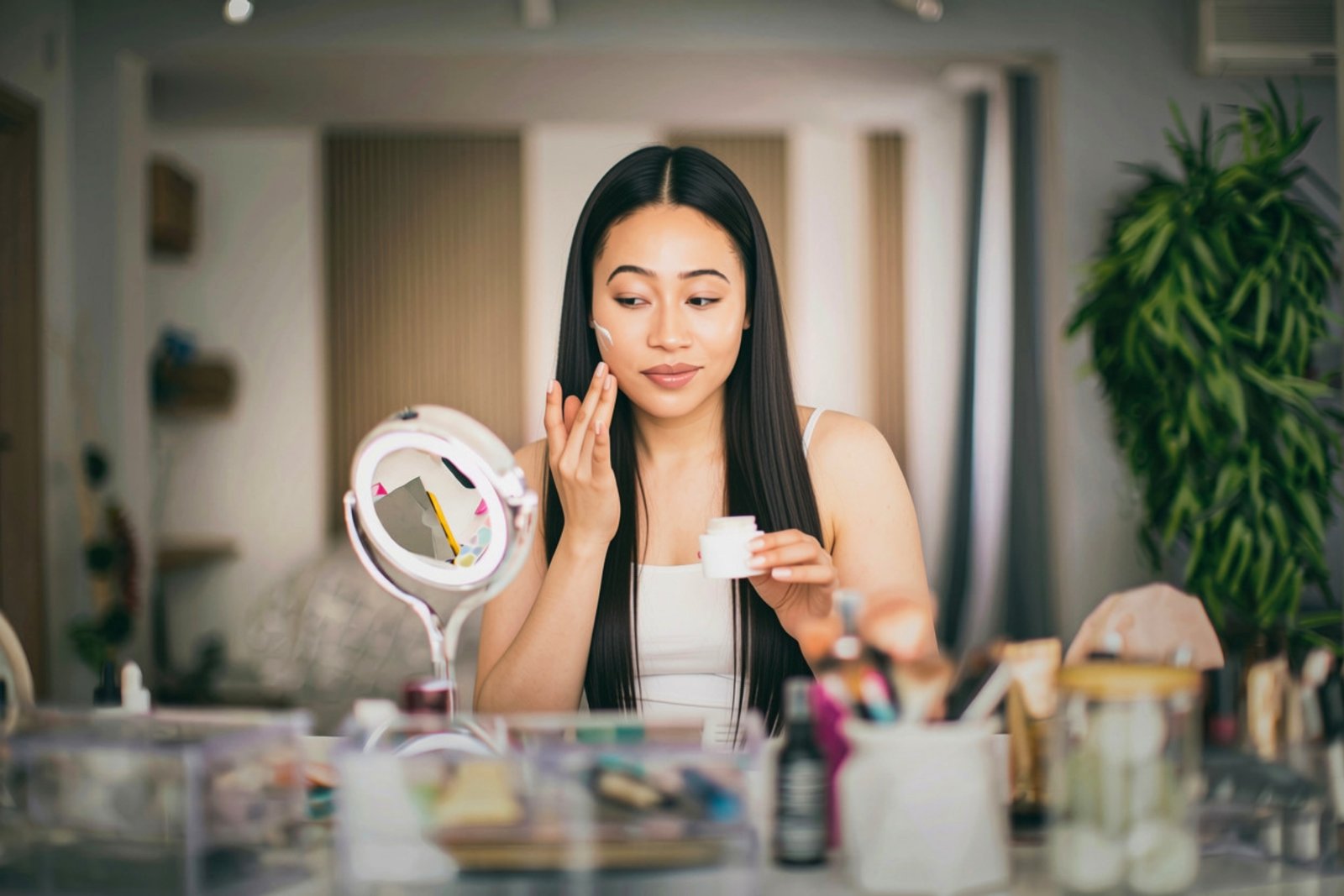
Healthy-looking skin starts with understanding your pores—not trying to eliminate them. With the right skincare routine, a few thoughtful product choices, and adjustments for weather and travel, you can help your skin look smoother, more balanced, and refreshed.
Visible pores are completely normal. They help release oil and sweat, and their appearance is influenced by genetics, skin type, age, sun exposure, and oil production. Although you cannot permanently close your pores, you can make them look less noticeable by keeping them clear, supporting your skin barrier, and protecting your skin from environmental damage.
The secret isn’t using more products. It’s using the right ones consistently.
Why Do Pores Become More Visible?
Before changing your skincare routine, it helps to understand what you’re seeing in the mirror.
- Excess oil: When your skin produces more sebum, pores may appear larger, particularly around the nose, forehead, and chin.
- Buildup inside pores: Oil, dead skin cells, and everyday impurities can contribute to clogged pores and blackheads.
- Loss of skin elasticity: As we age, the skin produces less collagen and elastin. Pores can become more noticeable as the surrounding skin loses firmness.
- Sun exposure: UV damage contributes to collagen breakdown and changes in skin texture over time.
- Dehydration and irritation: Skin that feels tight, dry, or inflamed may have a rougher, less even appearance.
The goal is not to scrub your skin until it feels perfectly clean. Over-cleansing, harsh exfoliation, and too many active ingredients can damage the skin barrier, making your skin uncomfortable and sometimes more oily-looking.
Your 7-Day Routine for Smoother-Looking Skin
This simple plan combines daily essentials with a few targeted treatments. It is designed for generally healthy adult skin with visible pores, oiliness, or uneven texture. If you have sensitive skin, rosacea, eczema, or persistent acne, introduce active ingredients more cautiously.
Day 1: Reset Your Routine
Morning
- Wash with a gentle cleanser suited to your skin type.
- Apply a lightweight moisturizer.
- Finish with broad-spectrum SPF 30 or higher.
Evening
- Remove makeup and sunscreen thoroughly.
- Cleanse gently without scrubbing.
- Apply moisturizer while your skin is slightly damp.
Today is about establishing a comfortable baseline. Avoid introducing several new products at once. Your skin needs a consistent foundation before you add targeted treatments.
Day 2: Focus on Oil and Pore Buildup
If your skin is oily or prone to blackheads, consider a product containing salicylic acid, a beta-hydroxy acid (BHA).
Salicylic acid can penetrate oily pores and help loosen the buildup that contributes to blackheads and congestion.
Morning: Gentle cleanser, moisturizer, and sunscreen.
Evening: Cleanser, a salicylic acid product used according to its label, and moisturizer.
Start with a low concentration, commonly 0.5–2% in leave-on products, and use it only once initially. Skip this step if your skin is irritated or very dry. Do not combine it with several other exfoliating treatments on the same night.
Day 3: Restore Hydration
Dehydrated skin can look dull, feel tight, and show uneven texture more clearly.
Look for moisturizers containing ingredients such as:
- Glycerin: Helps attract water to the skin.
- Hyaluronic acid: Helps bind water and support surface hydration.
- Ceramides: Help maintain the skin barrier.
- Squalane: Helps soften skin and reduce moisture loss.
Use your usual gentle cleanser, hydrating moisturizer, and sunscreen. In the evening, keep your routine simple again.
Remember: oily skin can also be dehydrated. You do not necessarily need a heavy cream to restore moisture.
Day 4: Support Skin Texture
Vitamin B3, better known as niacinamide, is worth considering if you want to improve the appearance of pores and uneven skin texture.
Niacinamide can support the skin barrier and may help regulate oiliness and reduce the appearance of redness. A product containing around 2–5% is a reasonable starting point for many people; higher concentrations are not automatically better.
Morning: Cleanser, niacinamide if tolerated, moisturizer, and sunscreen.
Evening: Gentle cleanser and moisturizer.
If your moisturizer already contains niacinamide, you may not need another serum. Simplicity is often more effective than layering multiple products.
Day 5: Exfoliate Carefully—or Rest
If your skin tolerated salicylic acid on Day 2, you can consider using it again today, following the product’s directions and your skin’s response.
If your skin feels dry, tight, red, or sensitive, skip exfoliation and focus on hydration instead.
Avoid rough facial scrubs, aggressive pore strips, and squeezing blackheads. These can irritate the skin and may cause broken capillaries, inflammation, or scarring.
A useful rule: Smooth-looking skin should not come at the expense of a healthy skin barrier.
Day 6: Protect Your Skin From the Sun
Daily sun protection is one of the most important long-term steps for maintaining skin texture and firmness.
UV exposure contributes to collagen damage, uneven pigmentation, and premature skin aging—all of which can make pores more noticeable.
Choose a broad-spectrum SPF 30 or higher that feels comfortable enough to use every day. Apply it generously to your face, neck, and other exposed areas. Reapply approximately every two hours when outdoors, and after swimming or sweating, following the label.
If you spend time outside, add a hat and sunglasses and seek shade during periods of strong sunlight.
Day 7: Review and Personalize
At the end of the week, look at how your skin feels rather than expecting dramatic changes in pore size.
Ask yourself:
- Does my skin feel comfortable after cleansing?
- Is it less oily or congested?
- Have I noticed any redness, tightness, or irritation?
- Which products feel good enough to use consistently?
Continue with the products that work. Keep exfoliation occasional, maintain daily hydration, and use sunscreen consistently.
What results should you expect? Hydration may improve the appearance of skin within days, while blackheads and uneven texture often require several weeks of consistent care. Changes related to collagen and sun damage take considerably longer. One week is the beginning of a routine, not a complete skin transformation.
What to Look for When Buying Skincare Products
Beautiful packaging and impressive marketing claims do not necessarily translate into better skin. When shopping, focus on ingredients, formulation, and how a product fits into your existing routine.
1. Match the Product to Your Skin Type
- Oily skin: Look for lightweight, non-comedogenic moisturizers and gentle cleansers.
- Dry skin: Choose creamier cleansers and moisturizers containing ceramides, glycerin, or other emollients.
- Combination skin: Use lightweight hydration across the face and adjust richer products to drier areas.
- Sensitive skin: Prefer fragrance-free products with short, straightforward ingredient lists. Introduce new products one at a time.
The label “non-comedogenic” can be useful if you are prone to clogged pores, although it does not guarantee that a product will suit everyone.
2. Understand the Ingredients
| Ingredient | What it can help with |
|---|---|
| Salicylic acid | Blackheads, clogged pores, and excess oil |
| Niacinamide | Skin-barrier support, oiliness, and uneven appearance |
| Glycerin | Hydration and skin comfort |
| Ceramides | Supporting the skin barrier |
| Retinol | Fine lines, uneven texture, and signs of photoaging over time |
| Broad-spectrum SPF 30+ | Protecting against UVA and UVB damage |
You do not need all these ingredients at once. Start with a cleanser, moisturizer, sunscreen, and—if needed—one targeted treatment.
Retinol can be useful for long-term texture concerns, but it can cause dryness and irritation. Introduce it gradually rather than combining it immediately with multiple exfoliating products. Avoid retinoids during pregnancy or when trying to conceive unless your clinician advises otherwise.
3. Don’t Be Fooled by “Pore-Minimizing” Claims
A product may temporarily make pores look less visible by absorbing oil, smoothing the skin, or providing a blurring effect. That does not mean it has permanently reduced pore size.
Be cautious with products promising to “erase” pores, deliver instant collagen rebuilding, or produce dramatic results overnight.
4. Patch-Test New Products
Apply a small amount of a new leave-on product to a discreet area according to the product instructions, ideally testing it for several days before applying it to your entire face. Stop if you develop significant burning, swelling, or a persistent rash.
If you experience persistent irritation, painful acne, or worsening skin concerns, consult a dermatologist.
Skincare While Traveling: Your Skin Needs Change With the Environment
Travel can disrupt even a well-established routine. Changes in humidity, temperature, sunlight, water, sleep, and daily habits can affect how your skin feels and looks.
The best approach is to keep your essential products consistent while adjusting the texture and frequency of treatments to the conditions.
Hot and Humid Weather
Heat and humidity can make your skin feel oilier and sweatier, especially during outdoor activities.
What to do:
- Choose a lightweight, non-comedogenic moisturizer.
- Use broad-spectrum sunscreen and reapply as directed.
- Cleanse gently after sweating.
- Consider reducing exfoliation if your skin becomes irritated.
Do not skip moisturizer simply because your face feels oily. Choose a lighter formula instead.
Cold Weather and Wind
Cold air, wind, and indoor heating can increase moisture loss and weaken the skin barrier.
What to do:
- Switch to a more nourishing moisturizer if your skin feels tight.
- Use a gentle cleanser rather than a harsh foaming formula.
- Reduce salicylic acid or retinol if you develop dryness or irritation.
- Apply moisturizer after cleansing, and protect exposed skin from wind.
Your usual summer skincare routine may not provide enough moisture in winter.
Dry Climates and Airplane Cabins
Airplane cabins and many dry destinations can leave skin feeling tight or dehydrated.
What to do:
- Apply moisturizer before your flight.
- Keep a familiar, fragrance-free moisturizer in your carry-on.
- Drink water regularly for general hydration.
- Avoid experimenting with new acids or retinol immediately before an important trip.
You do not need an elaborate collection of travel skincare products. Your regular essentials are usually sufficient.
Strong Sun and Beach Holidays
Sun exposure is often higher during beach holidays, mountain trips, and outdoor sightseeing.
What to do:
- Pack broad-spectrum SPF 30 or higher, preferably water-resistant for swimming or sweating.
- Reapply sunscreen at least every two hours outdoors and after swimming or sweating.
- Wear a wide-brimmed hat and sunglasses.
- Use shade and protective clothing, especially during periods of intense sunlight.
A cloudy day does not eliminate UV exposure. Sun protection remains important even when the temperature is cool.
Different Water, New Products, and Travel Stress
Hard water, unfamiliar hotel toiletries, sweat, sunscreen, and disrupted sleep may affect your skin differently than at home.
Keep your routine predictable. Bring travel-sized versions of products you already tolerate, and avoid using every complimentary hotel product simply because it is available.
If you are traveling across several climates, prioritize cleansing, hydration, and sunscreen. You can return to more targeted treatments once your skin has settled.
Your Travel Skincare Checklist
Before leaving home, pack these essentials:
- Gentle cleanser
- Familiar moisturizer
- Broad-spectrum SPF 30+ sunscreen
- One targeted treatment, if needed and already tolerated
- Lip balm and sunglasses
- A hat or other sun-protective clothing for outdoor trips
Keep active ingredients away from extreme heat and sunlight, and follow the manufacturer’s storage instructions. Check airline liquid limits before packing products in your carry-on.
The Bottom Line: Consistency Over Complexity
Visible pores are a normal feature of healthy skin. Genetics, oil production, aging, and sun exposure all influence how noticeable they become, and no skincare product can eliminate them permanently.
A practical routine focuses on three priorities: keep pores clear, maintain a healthy skin barrier, and protect your skin from the sun.
Begin with the basics, add one targeted ingredient if necessary, and adjust your routine when the weather changes or you travel. Give your skin time to respond rather than changing products every few days.
Healthy-looking skin is not about achieving a poreless filter effect. It is about keeping your skin comfortable, balanced, and well cared for—wherever life takes you.