
From endless scrolling to meaningful travel, long conversations, and the simple pleasure of learning something new, discover how to make more room for the experiences that truly make us happy.
I’ve been thinking lately about how we spend our time and what actually makes us feel good.
It’s so easy to reach for our phones whenever we have a free moment. We scroll through Instagram while drinking coffee, watch a few videos while waiting for something, browse online stores when we’re bored, and check our notifications more often than we probably realize.
These little distractions can be enjoyable. I love discovering fashion inspiration, beautiful destinations, and interesting ideas online. But I’ve also noticed that some of the experiences I remember most fondly have very little to do with my phone.
It’s the excitement of planning a trip, exploring a new city, meeting friends for a long lunch, discovering a beautiful restaurant, or spending an afternoon doing something creative. These experiences give me something to look forward to, something to enjoy in the moment, and memories I can revisit long afterward.
And that made me wonder: Are we spending too much time chasing little moments of instant pleasure and not enough time creating experiences that make us genuinely happy?
Recently, I’ve been interested in a concept called slow dopamine. It’s a useful way to think about the difference between quick rewards and the deeper satisfaction that comes from doing things that require our time, attention, and involvement.
The good news? We don’t need to change our entire lifestyle to benefit from it. Sometimes, a few thoughtful adjustments to our daily routines can make a real difference.
What Is Slow Dopamine, and How Is It Different From Quick Dopamine?
Dopamine is a neurotransmitter that plays an important role in motivation, learning, movement, and the brain’s reward system. It helps us anticipate rewards and learn which behaviors are worth repeating.
The terms quick dopamine and slow dopamine are popular ways of describing two different kinds of rewarding experiences. They aren’t separate types of dopamine or formal medical classifications, but the distinction can help us think about our habits.
Quick dopamine refers to activities that offer immediate gratification with little effort. Think of checking social media, watching short videos, making an impulse purchase, or reaching for a sugary snack whenever you feel bored.
Slow dopamine is a lifestyle term for the satisfaction we associate with activities that require more time, effort, patience, or consistency. Examples include learning a skill, exercising toward a goal, nurturing relationships, gardening, and traveling.
The important difference isn’t that one releases dopamine and the other doesn’t. Both types of experiences can engage the brain’s reward system. Rather, slow dopamine is a helpful shorthand for experiences in which the process, effort, and eventual reward are all part of the enjoyment.
Consider the difference between watching a travel video and actually exploring the destination yourself.
The video might inspire you for a few minutes. Planning the trip, anticipating the experience, discovering unfamiliar places, and sharing the memories with someone can give you much more to enjoy over time.
Neither experience is wrong. But one doesn’t necessarily replace the other.
Why Instant Gratification Can Leave Us Wanting More
We live in a world designed to make almost everything immediate.
Want to see something entertaining? Open an app. Need a little excitement? Browse a shopping website. Feel bored for 30 seconds? There are thousands of videos waiting for you.
The problem isn’t that these activities are inherently bad. It’s that they can become automatic habits that take up more of our time than we intended.
When we’re constantly switching between notifications, videos, messages, and new information, it can become harder to give our full attention to one activity. We may also find ourselves filling every quiet moment rather than allowing ourselves to rest, reflect, or simply enjoy being present.
And sometimes, the quick reward doesn’t last. We finish scrolling, put our phone down, and feel no more satisfied than before.
Activities that involve sustained attention, by contrast, can give us opportunities to develop skills, strengthen relationships, achieve goals, and create meaningful memories.
This doesn’t mean we should eliminate instant pleasures. It means we should make sure they’re not crowding out the experiences that matter to us.
15 Slow Dopamine Activities to Try for a Happier Life
You don’t need to take up an expensive hobby or fill every hour with productive activities. The best place to start is with experiences you genuinely enjoy and would like to make more time for.
Here are 15 ideas to inspire you.
1. Travel Somewhere New
Travel is one of my favorite ways to bring more excitement and discovery into everyday life.
And the pleasure doesn’t begin when you arrive. There’s the anticipation of choosing a destination, researching hotels, planning what to see, finding interesting restaurants, and imagining the experience ahead.
Once you’re there, you have the opportunity to explore unfamiliar streets, discover local culture, admire architecture, try new foods, and notice details you might never encounter at home.
Then come the photographs, stories, and memories that stay with you.
You don’t need a long international vacation to enjoy these benefits. Explore a neighboring town, visit a museum, spend a day by the water, or plan a weekend getaway.
Try this: Plan one small adventure every month. Having something enjoyable on your calendar gives you an experience to anticipate, even during an ordinary week.
2. Spend More Time With Friends and Family
Social media makes it easy to stay informed about other people’s lives, but seeing someone’s updates isn’t the same as sharing time together.
There’s something special about sitting across from a friend over coffee, having an uninterrupted conversation, laughing over dinner, or taking a walk together.
Meaningful relationships develop through time, shared experiences, and the small moments when we show up for one another.
You don’t need to organize elaborate gatherings. A casual lunch, a phone call, a family dinner, or an invitation for coffee can be enough.
Try this: Arrange one meaningful social activity each week. Put your phone away and give the other person your full attention.
3. Discover the Joy of Learning Something New
Learning gives us a reason to stay curious.
You could take a photography class, learn a new language, explore art history, improve your cooking skills, study interior design, or finally try that hobby you’ve been considering.
The reward isn’t only what you learn. It’s also the feeling of progress as something that once seemed unfamiliar gradually becomes easier.
Try this: Choose a subject that genuinely interests you and spend 20 minutes exploring it several times a week. Let curiosity, rather than achievement, be your motivation.
4. Make Movement Something to Look Forward To
Exercise doesn’t have to feel like another item on your to-do list.
Find a form of movement you enjoy: walking, dancing, Pilates, swimming, cycling, yoga, or taking a fitness class with a friend.
Working toward a realistic goal can make the experience even more rewarding. You might gradually increase your walking distance, improve your flexibility, or build the confidence to try a new activity.
Try this: Choose an activity you actually enjoy and schedule it into your week. Focus on consistency and how you feel rather than perfection.
5. Read More Books
Reading encourages us to stay with one idea or story instead of constantly moving to the next thing.
A novel can transport you somewhere unfamiliar. A biography can introduce you to a fascinating life. A book about fashion, travel, psychology, or design can inspire new interests.
Finishing a chapter or completing a book also gives you a small, tangible sense of progress.
Try this: Keep a book near your favorite chair or bedside table. Replace a few minutes of evening scrolling with reading, even if you start with just ten pages.
6. Create Something With Your Hands
There’s a particular satisfaction in making something yourself.
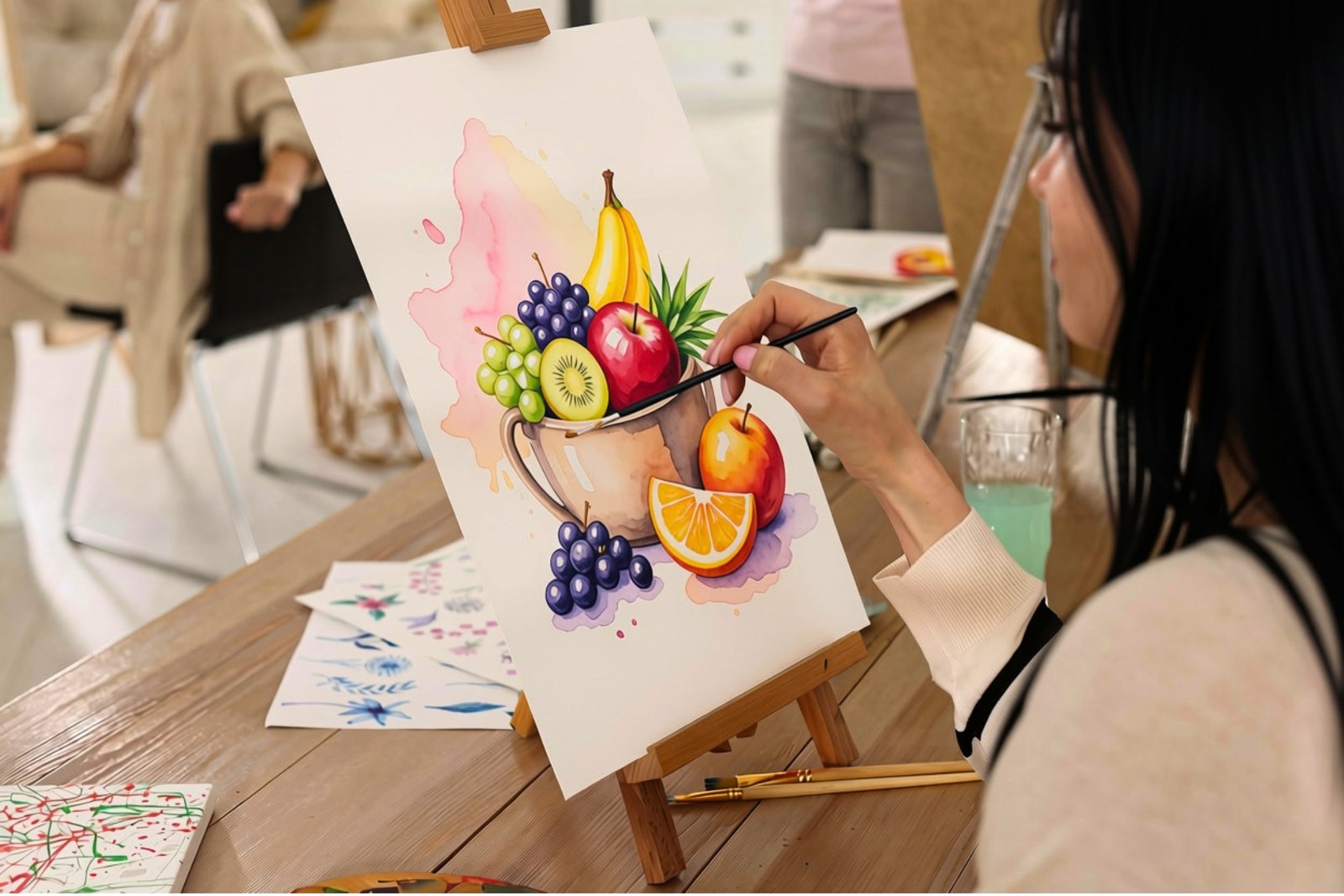
Cook a new recipe, arrange flowers, paint, knit, sew, make a scrapbook, try pottery, or experiment with a home décor project.
These activities invite us to concentrate on the process rather than simply consuming information. They also give us something tangible to enjoy when we’re finished.
And remember, you don’t need to be talented or produce something perfect. The pleasure is in experimenting, learning, and creating.
Try this: Set aside an hour each weekend for a creative activity. Choose something that feels enjoyable, not something you need to monetize or turn into a project.
7. Spend Time in Nature
A walk in the park, an afternoon in a botanical garden, or a quiet moment beside a lake can offer a welcome break from constant digital stimulation.
Nature gives us something to observe without requiring us to respond to messages, absorb information, or make decisions.
You can notice the changing seasons, watch birds, tend to plants, or simply enjoy the fresh air.
Try this: Spend 20 minutes outdoors without checking your phone. Let yourself notice your surroundings rather than turning the walk into another task.
8. Grow Something
Gardening is a wonderful example of an activity whose rewards develop over time.
You plant a seed, water it, care for it, and wait. Eventually, you see new leaves, flowers, herbs, or vegetables.
Even a small balcony garden or a few pots on a windowsill can give you something to nurture and look forward to.
Try this: Grow a few herbs in your kitchen or plant flowers in a container. Choose something appropriate for your space and enjoy watching it develop.
9. Turn Everyday Routines Into Rituals
We often rush through ordinary activities because we’re focused on what comes next.
What if we made some of those moments more enjoyable?
Prepare your morning coffee slowly. Use your favorite cup. Put fresh flowers on the table. Set aside time for a proper breakfast. Play music while getting ready or create a relaxing evening skincare ritual.
These small pleasures don’t require much money or time, but they encourage us to pay attention to the life we’re already living.
Try this: Choose one daily routine and make it feel a little more special. The goal isn’t luxury for its own sake; it’s learning to appreciate ordinary moments.
10. Explore Your Own City Like a Tourist
Sometimes, we assume that excitement requires going somewhere far away.
But how often do we explore the places near us with genuine curiosity?
Visit a historic neighborhood, discover a local gallery, try a restaurant you’ve never visited, attend a cultural event, or take a different walking route.
You might be surprised by how much there is to discover close to home.
Try this: Choose one unfamiliar place in your area every weekend. Make a little itinerary, take your time, and enjoy the experience without rushing to the next stop.
11. Cook a Meal From Scratch
Cooking combines creativity, focus, and a reward you can share.
Choose a recipe you’ve never tried, visit a local market for fresh ingredients, prepare a beautiful meal, and enjoy the result.
You can make the experience even more meaningful by inviting someone to join you or setting the table for a relaxed dinner.
Try this: Choose one new recipe each week. Put on some music, take your time, and enjoy the entire process rather than treating dinner as something to get out of the way.
12. Keep a Journal
Writing down your thoughts can create space to reflect on what you’re experiencing rather than immediately moving on to the next distraction.
You could record moments you’re grateful for, ideas you want to explore, places you’d like to visit, or things you’ve learned.
A journal can also help you notice patterns: which activities make you feel energized, which leave you drained, and what you’d like to change.
Try this: Spend five minutes at the end of the day writing down one thing you enjoyed, one thing you learned, and one thing you’re looking forward to.
13. Make Your Home More Inspiring
Our homes can influence how we experience our everyday routines.
You don’t need a renovation or a large budget. Rearrange a bookshelf, improve the lighting, display photographs from a favorite trip, create a comfortable reading corner, or bring in seasonal flowers.
You might even make a project out of reorganizing your wardrobe, creating new outfit combinations, or refreshing a room with pieces you already own.
The satisfaction comes from shaping your surroundings to reflect your personality and then enjoying the result.
Try this: Choose one small area of your home to refresh this weekend. Focus on making it more inviting, functional, or beautiful to you.
14. Volunteer or Do Something Kind
Not every rewarding experience has to be about personal improvement.
Helping a friend, preparing a meal for someone, volunteering in your community, mentoring someone, or checking in on a person who might appreciate the company can strengthen our sense of connection and purpose.
Acts of kindness don’t need to be dramatic to matter.
Try this: Find one small way to help someone each week. Choose something that feels genuine and fits comfortably into your life.
15. Allow Yourself to Be Bored
This might be the most difficult habit to develop.
We’re so accustomed to having entertainment at our fingertips that a quiet moment can feel uncomfortable. We reach for our phones before we’ve even considered what we’d like to do.
But boredom isn’t always a problem that needs to be solved immediately. A little unstructured time can give us room to reflect, daydream, notice our surroundings, or discover what we’re genuinely interested in.
You don’t need to turn every quiet moment into a productivity exercise.
Try this: Leave your phone in another room for 15 minutes. Sit outside, look out the window, take a walk, or enjoy a cup of tea without adding another source of stimulation.
You might discover that doing less creates room to enjoy more.
How to Balance Quick and Slow Dopamine
The answer isn’t to give up everything that offers immediate pleasure.
Watching a movie, shopping for something beautiful, enjoying dessert, listening to music, and scrolling through fashion inspiration can all be part of a balanced life.
The important question is whether these activities are choices or automatic habits.
Are you enjoying social media because it inspires you, entertains you, or helps you connect with people? Or are you scrolling simply because you don’t know what else to do with a spare moment?
Are you buying something because you genuinely want it? Or are you shopping because you’re bored and hoping the purchase will improve your mood?
These questions aren’t about judging ourselves. They’re about becoming more aware of our habits.
A few simple adjustments can help:
- Delay the automatic response. When you feel the urge to check your phone, pause for a moment before opening an app.
- Make meaningful activities easier. Keep a book nearby, prepare walking shoes in advance, or have a list of places you’d like to explore.
- Protect your attention. Turn off unnecessary notifications and create phone-free moments during meals, conversations, and the beginning or end of your day.
- Schedule experiences, not just tasks. Put a walk with a friend, a museum visit, or a creative afternoon on your calendar.
- Enjoy quick pleasures without guilt. You don’t have to make every moment meaningful. Rest and entertainment are valuable, too.
One important clarification: you cannot literally detox your brain from dopamine, and the idea that avoiding pleasure will reset dopamine levels is not supported by good scientific evidence. The practical goal is to build healthier habits around attention and reward, not to eliminate pleasure.
A Seven-Day Challenge to Try This Week
If you want to experiment with slow dopamine, start small. You don’t need to do everything on this list. Choose one activity each day and notice how you feel.
Monday: Take a 20-minute walk without scrolling or listening to a podcast.
Tuesday: Call a friend or arrange a coffee date.
Wednesday: Read a book or spend 20 minutes learning something new.
Thursday: Cook a meal from scratch and enjoy it without a screen.
Friday: Plan a future trip, weekend getaway, or local adventure.
Saturday: Visit somewhere new, spend time outdoors, or try a creative hobby.
Sunday: Enjoy a slower morning. Reflect on the week and decide which activities you’d like to repeat.
At the end of the week, ask yourself: Which experience did I enjoy most? Which activity left me feeling satisfied afterward? And what would I like to make more time for?
You might find that a small change, repeated regularly, becomes one of your favorite parts of the week.
Happiness Isn’t Another Thing to Chase
The idea of slow dopamine resonates with me because it reminds us that happiness doesn’t always come from adding more things to our lives.
Sometimes, it’s about changing how we spend the time we already have.
It’s about choosing a real conversation over another hour of scrolling, exploring a new destination instead of endlessly watching travel videos, learning something interesting, or making an ordinary evening feel special.
It’s also about understanding that we don’t need to be productive all the time. We can rest, have fun, enjoy spontaneous pleasures, and leave space for doing absolutely nothing.
Dopamine is much more complex than the popular distinction between quick and slow rewards suggests. But the underlying lifestyle idea is valuable: activities that involve attention, effort, connection, and personal meaning can enrich our lives in ways that momentary distractions often cannot.
For me, the goal is simple. I want more experiences to look forward to, more conversations to remember, more places to discover, and more moments when I feel fully present in my own life.
Perhaps the secret to feeling happier isn’t finding the next thing that gives us a quick lift. It’s creating a life we genuinely enjoy living, one small experience at a time.
And that sounds like a lifestyle worth pursuing.