
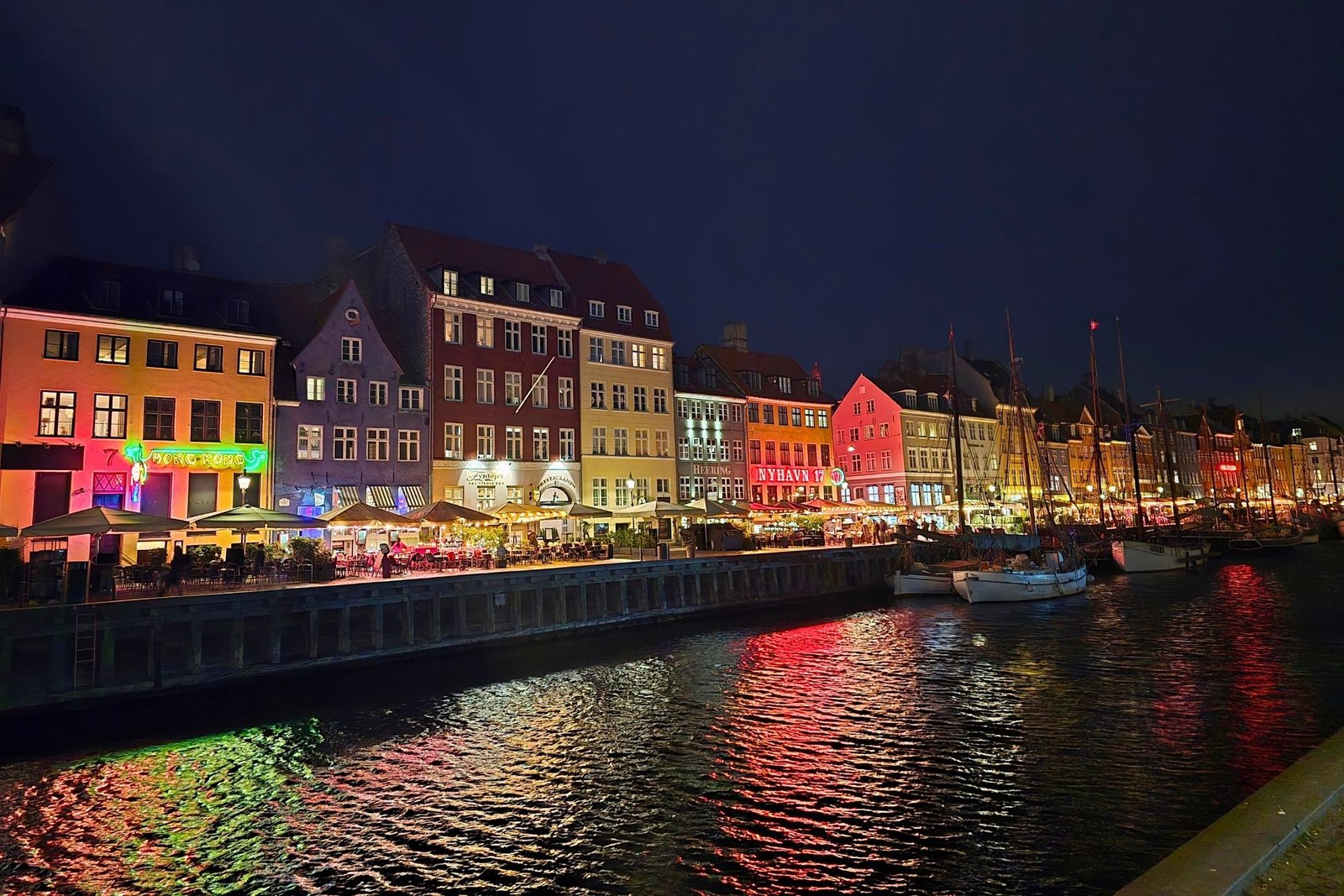
When I arrived in Copenhagen, I expected beautiful architecture, good food, and picturesque canals. What I didn’t expect was how much the city would make me rethink everyday life.
Copenhagen isn’t flashy. It doesn’t try to impress you with excess. Instead, it quietly demonstrates that a good life is often built on simplicity, quality, and thoughtful choices.
Yet what makes Copenhagen truly special is the way it balances old and new. Royal palaces, centuries-old churches, creative neighborhoods, and modern Scandinavian living all exist side by side. By the end of my trip, I realized the city wasn’t just beautiful—it had something to teach.
Here are some of the lessons I brought home from Denmark’s capital.
1. Simplicity Can Feel Luxurious
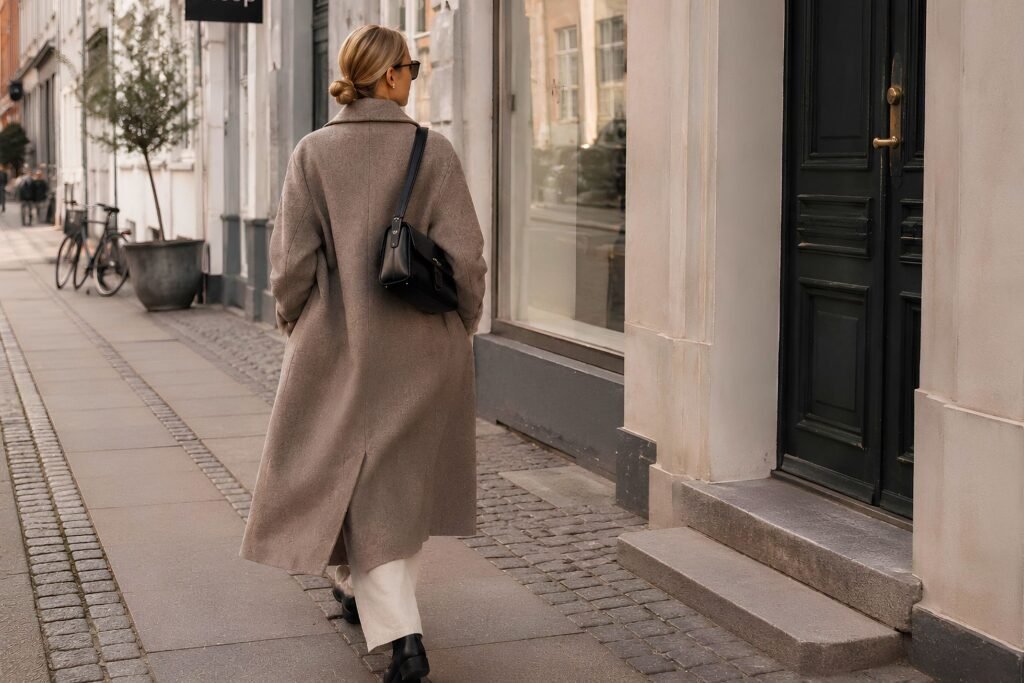
One of the first things I noticed was how understated everything felt. The architecture, cafés, shops, and even personal style embraced a “less but better” philosophy.
Rather than chasing trends, Copenhagen seems to celebrate quality. A simple wool coat, a well-made leather bag, or a beautifully designed chair often has more impact than anything overly elaborate.
2. Walking and Cycling Make Daily Life Better
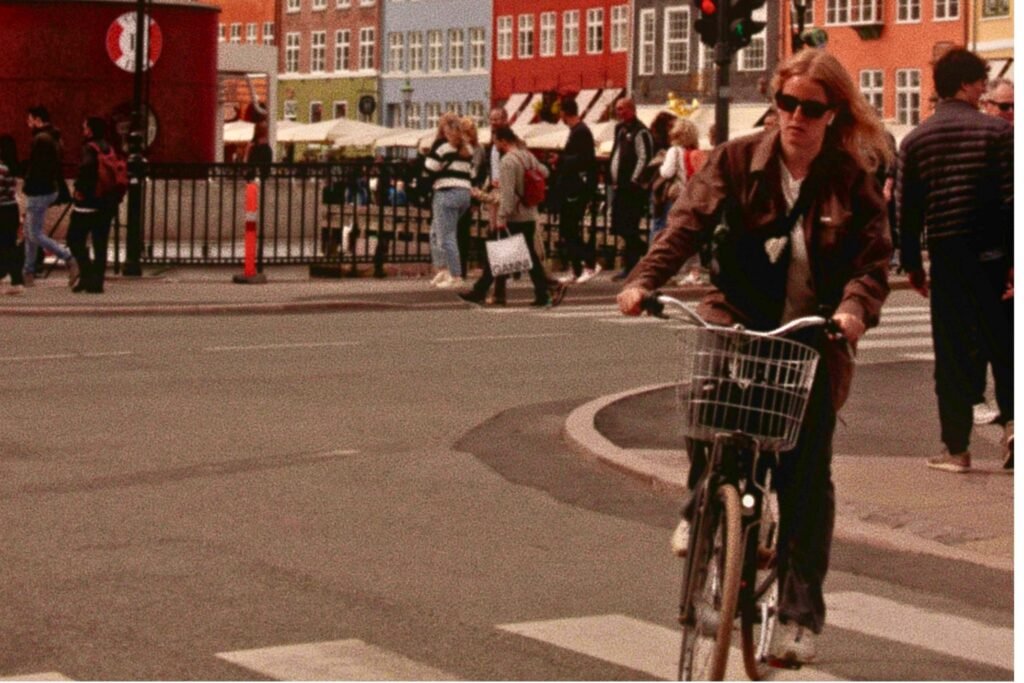
Bicycles are everywhere.
Instead of sitting in traffic, people cycle to work, meet friends, run errands, and enjoy the city. The result is a lifestyle that feels naturally active rather than focused on exercise as a separate task.
Watching thousands of people move through the city on bikes made me realize how much joy can come from simply being outdoors every day.
3. Beautiful Design Doesn’t Have to Be Complicated
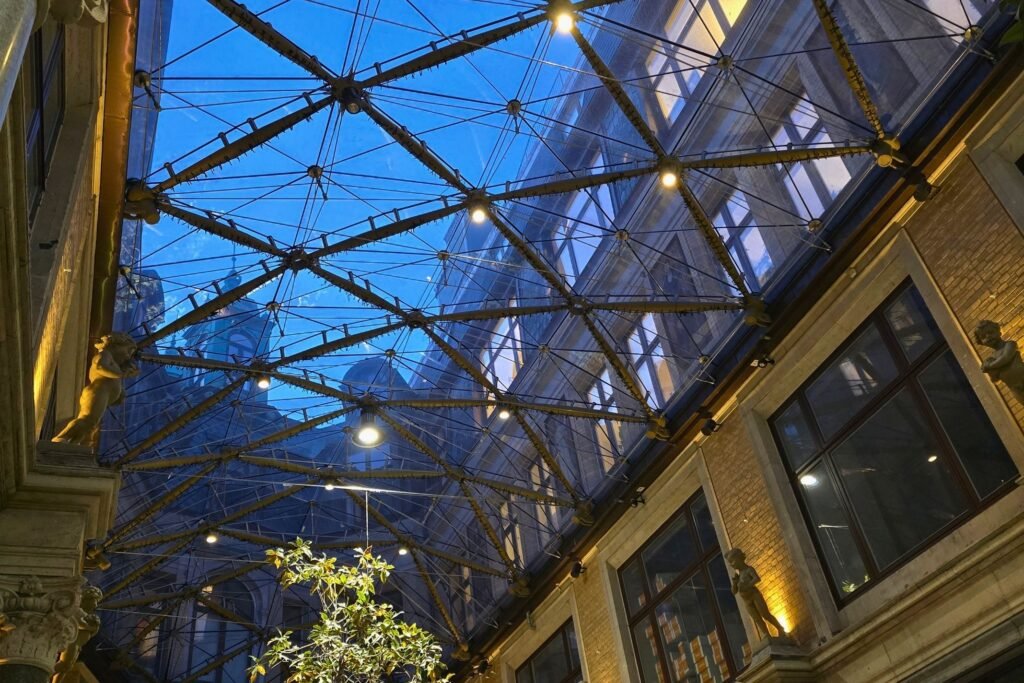
Copenhagen is known for Scandinavian design, but what stood out most was its practicality.
Whether it was a hotel room, a bakery, or a public space, every detail seemed intentional. Nothing felt cluttered.
The city reminded me that beauty often comes from thoughtful design rather than adding more things.
4. Quiet Luxury Is a Way of Life
If there is a city that embodies quiet luxury, Copenhagen might be it.
People dress elegantly without looking like they’re trying too hard. Neutral colors, natural fabrics, timeless silhouettes, and comfortable footwear are everywhere.
The focus seems to be on quality, comfort, and confidence rather than logos or status symbols.
5. A City Where History Feels Alive
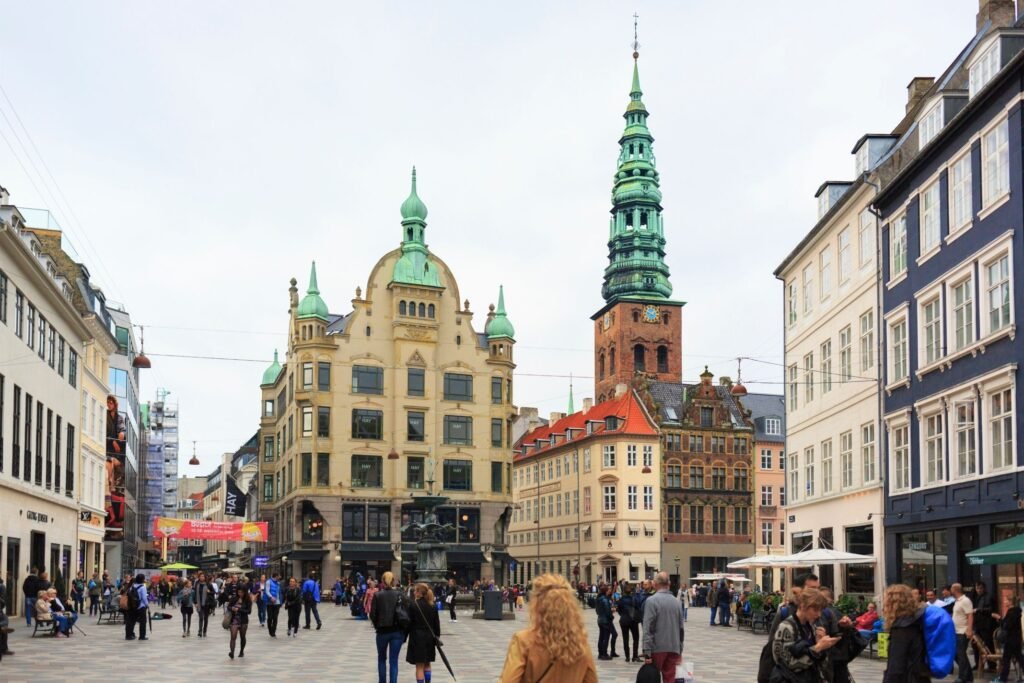
One of the most fascinating things about Copenhagen is how naturally history coexists with everyday life.
Royal palaces, historic squares, and centuries-old buildings aren’t hidden behind museum walls. They are woven into the city’s daily rhythm.
You can admire a royal residence in the morning and enjoy a modern waterfront café in the afternoon.
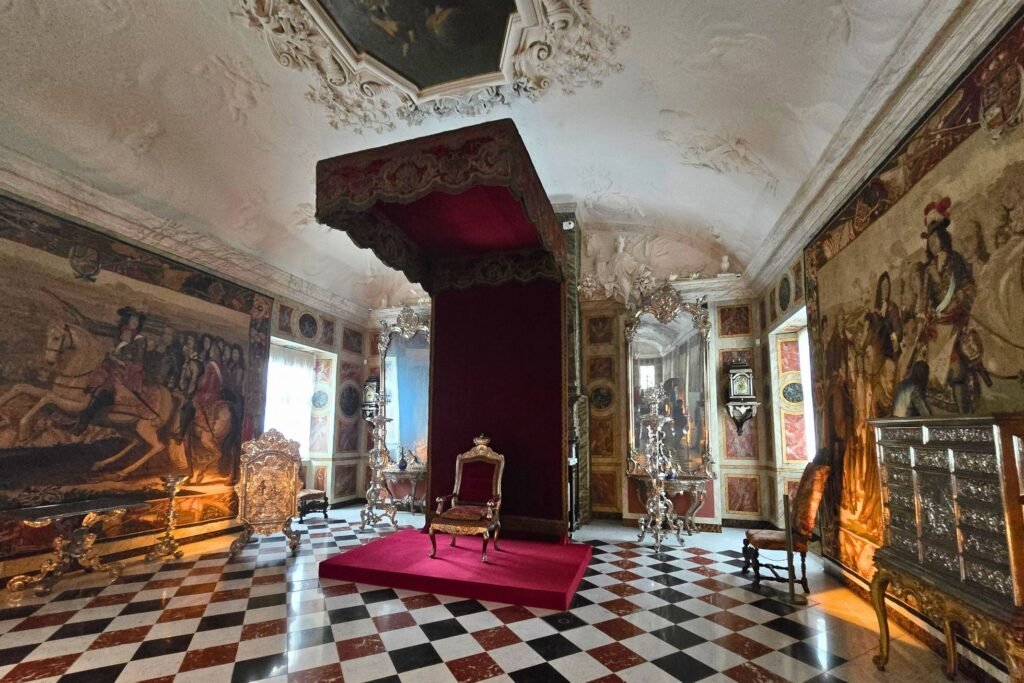
6. The Royal Influence Still Shapes the City
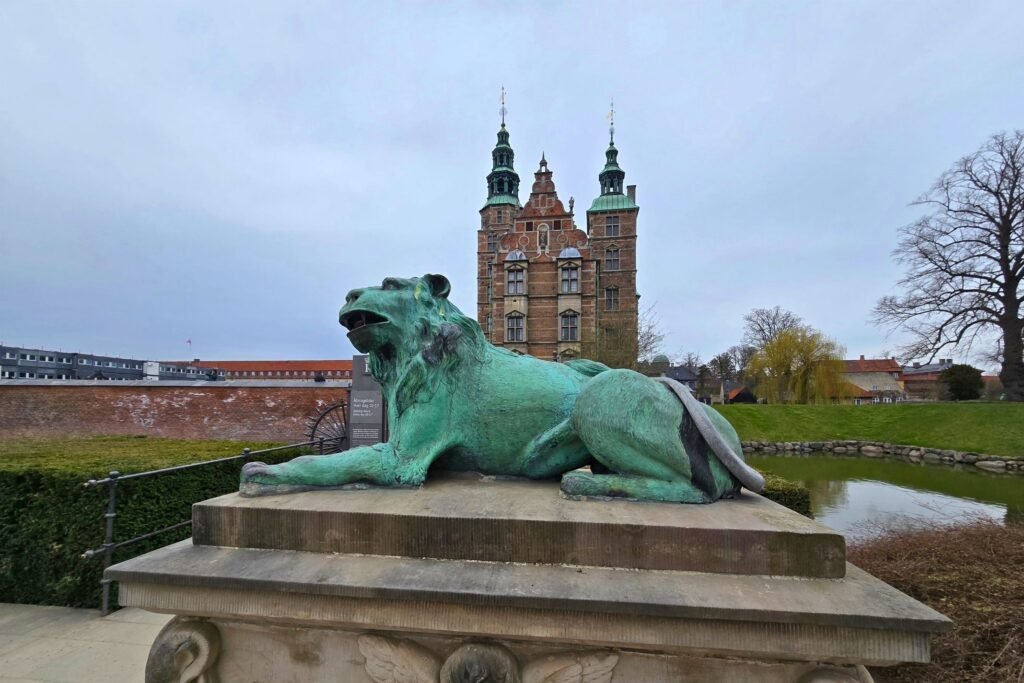
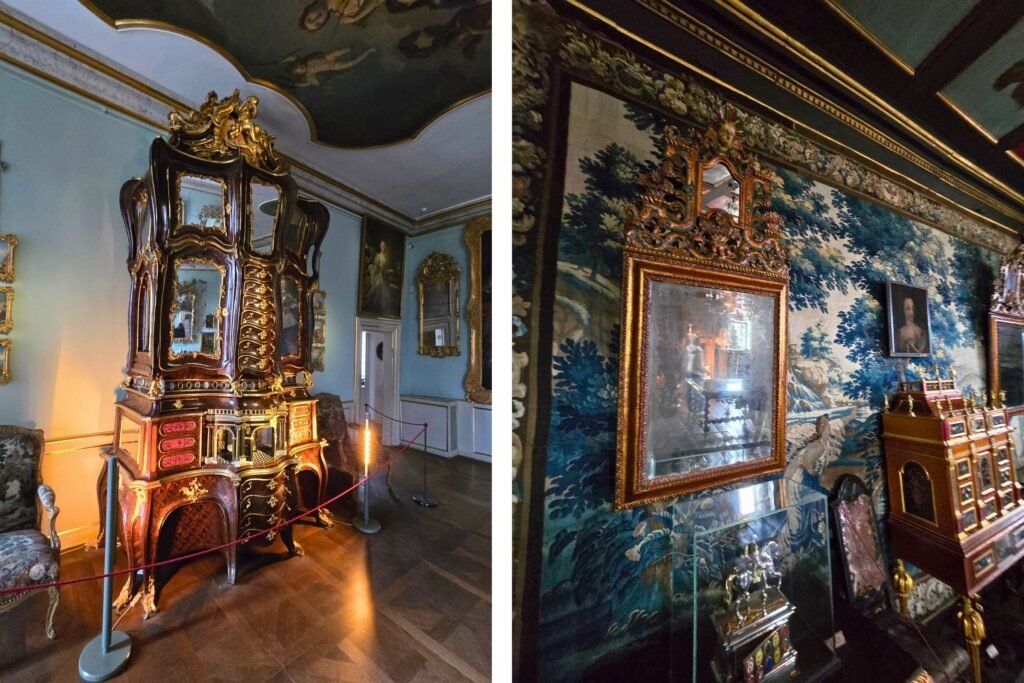
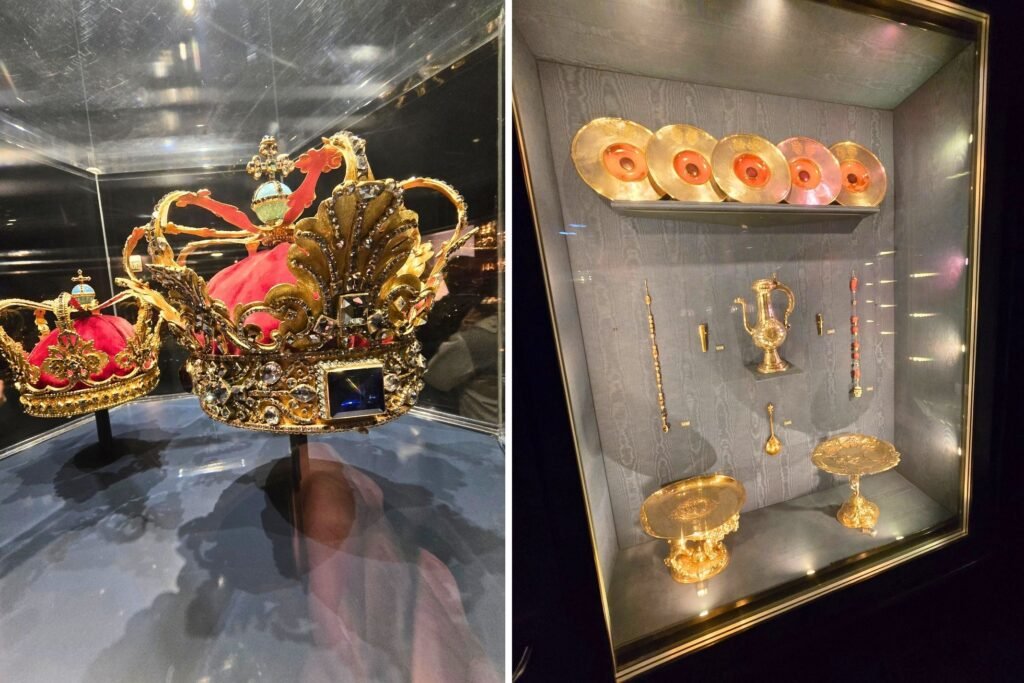
Copenhagen’s royal heritage is impossible to miss.
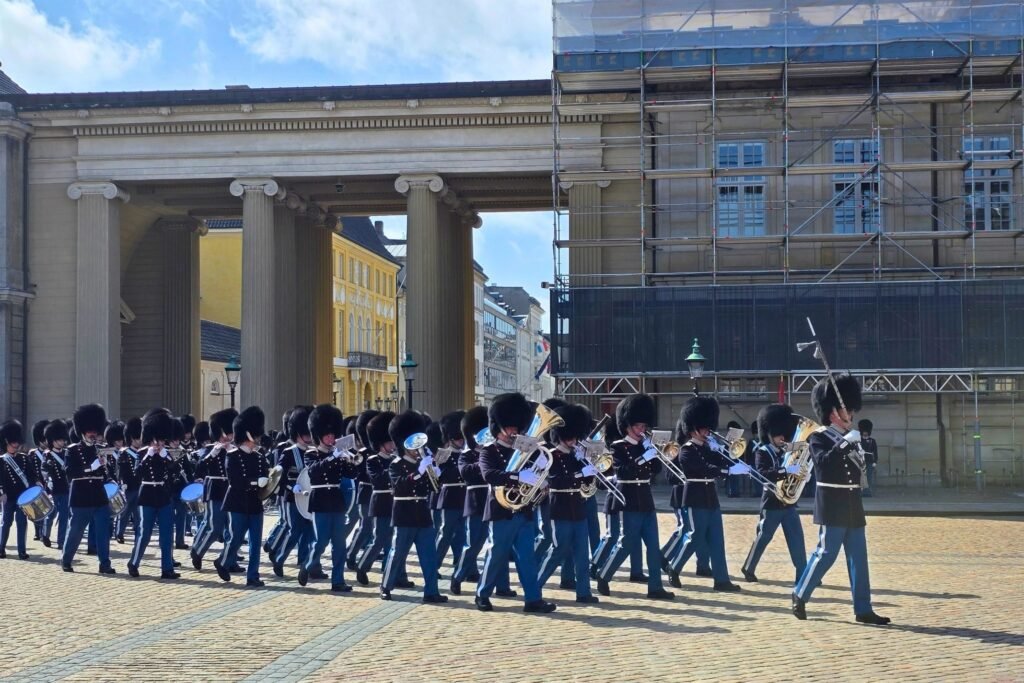
Watching the changing of the Royal Guard at Amalienborg Palace felt like stepping into another era. Yet somehow it doesn’t feel disconnected from modern life. The monarchy adds tradition and continuity to a city that is constantly evolving.
It was fascinating to see how a modern Scandinavian capital embraces its royal history without feeling stuck in the past.
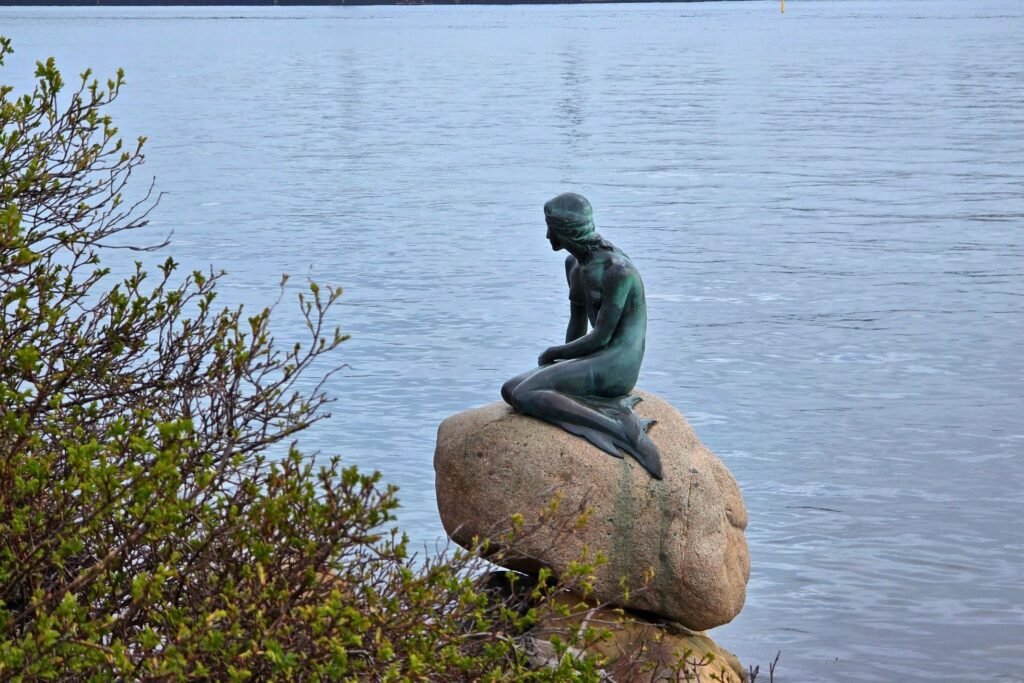
7. The Little Mermaid Is About More Than a Statue
No visit to Copenhagen feels complete without seeing the Little Mermaid.
Although smaller than many visitors expect, she represents something much larger. Inspired by Hans Christian Andersen’s famous fairy tale, the statue reminds visitors of Denmark’s rich literary and cultural heritage.
Standing by the water, I was reminded that stories often become part of a nation’s identity.
8. Churches and Modern Life Can Coexist Beautifully
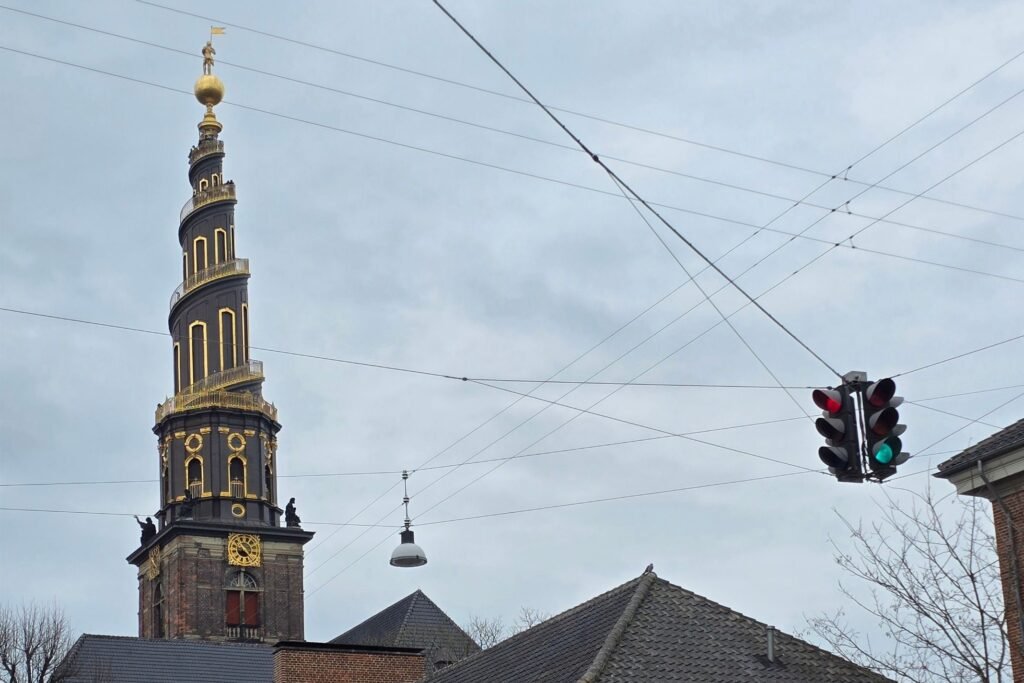
One of Copenhagen’s quiet mysteries is how historic churches blend into a highly modern city.
The Marble Church, the Church of Our Saviour, and countless smaller churches stand among bike lanes, trendy cafés, and contemporary architecture.
Rather than feeling out of place, they add a sense of depth and permanence. The city seems to show that honoring history doesn’t prevent progress.
9. Christianshavn Reveals Copenhagen’s Creative Side
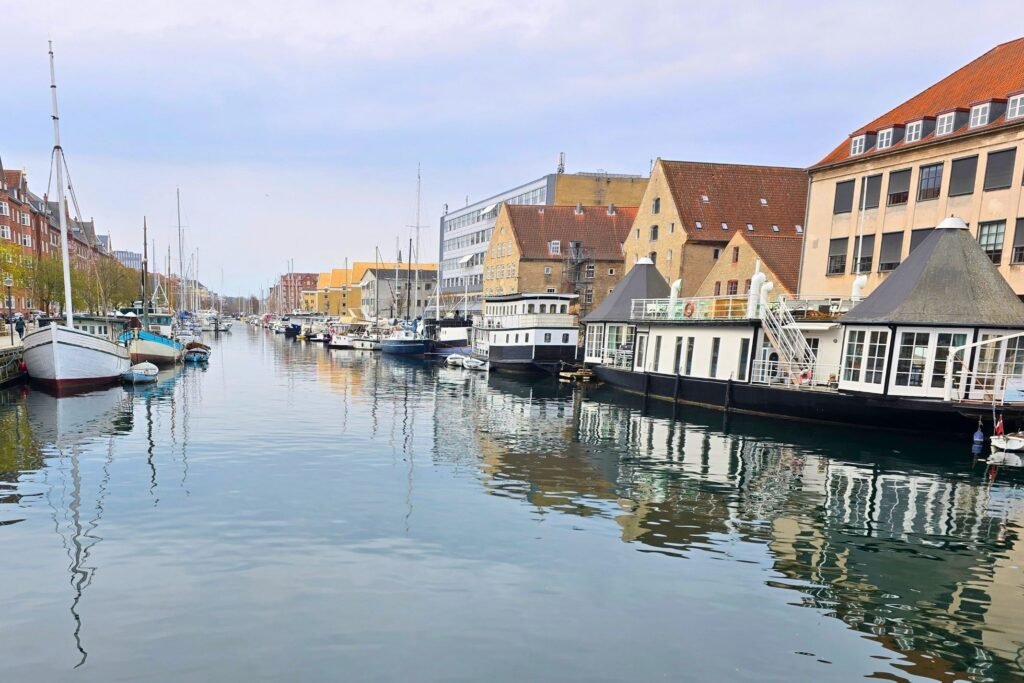
If royal Copenhagen reflects tradition, Christianshavn reveals the city’s bohemian soul.
With its canals, colorful houseboats, creative atmosphere, and independent cafés, the neighborhood offers a different perspective on Danish life.
Walking through Christianshavn felt like discovering a hidden side of the city—one that values creativity, individuality, and community.
10. Waterfront Living Changes the Mood of a City
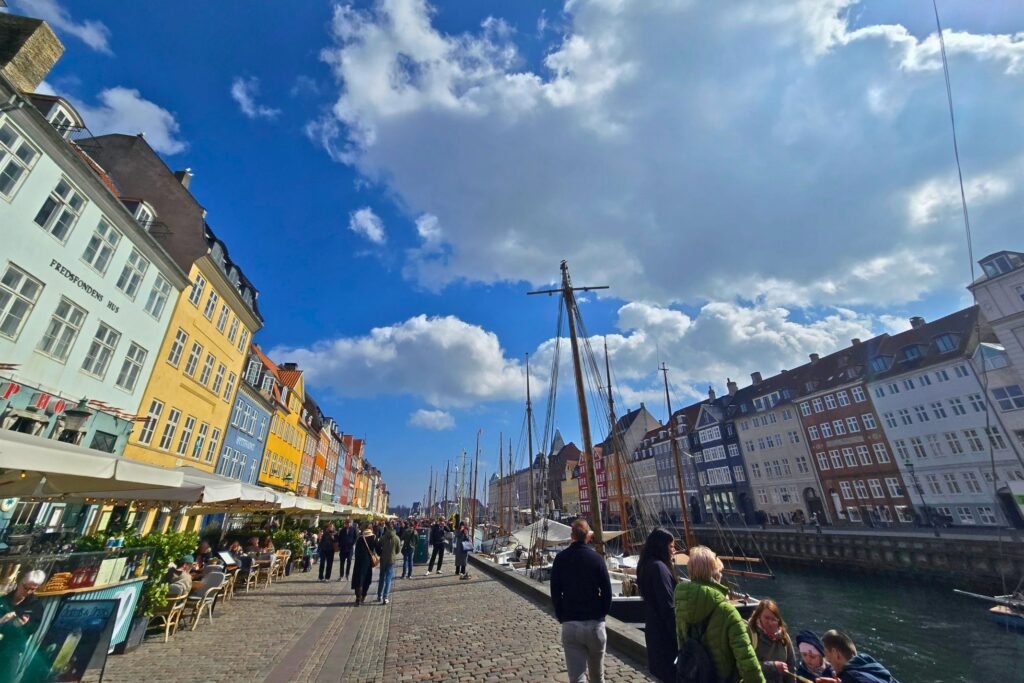
The harbor and canals are more than tourist attractions. They’re part of daily life.
Locals swim, kayak, relax by the water, and gather with friends along the waterfront. The connection between city life and nature creates a sense of calm that can be difficult to find elsewhere.
11. Good Food Doesn’t Need to Be Overcomplicated
From fresh pastries to simple open-faced sandwiches, many meals in Copenhagen celebrate quality ingredients rather than elaborate preparation.
The emphasis on freshness reminded me that some of the best meals are often the simplest.

12. People Make Time for Enjoyment
One thing I admired most was how people seemed comfortable slowing down.
Outdoor dining, long walks, cycling along the water, and meeting friends at cafés didn’t feel rushed. There was a sense that enjoyment wasn’t something reserved for vacations—it was built into everyday life.
13. A Well-Lived Life Is About Balance
Perhaps the biggest lesson Copenhagen taught me is that living well doesn’t necessarily mean having more.
It can mean choosing quality over quantity, making time for movement, appreciating good design, staying connected to nature, respecting history, and creating space for simple pleasures.
Copenhagen balances royal tradition and modern innovation, historic churches and contemporary architecture, quiet luxury and everyday practicality. That balance may be the city’s greatest secret.
Conclusion
Copenhagen is often ranked among the happiest cities in the world, and after spending time there, I can understand why. Beyond the colorful harbor, castles, churches, and beautiful neighborhoods, the city offers something more valuable: a reminder that a beautiful life is often built from small, intentional choices made every day.