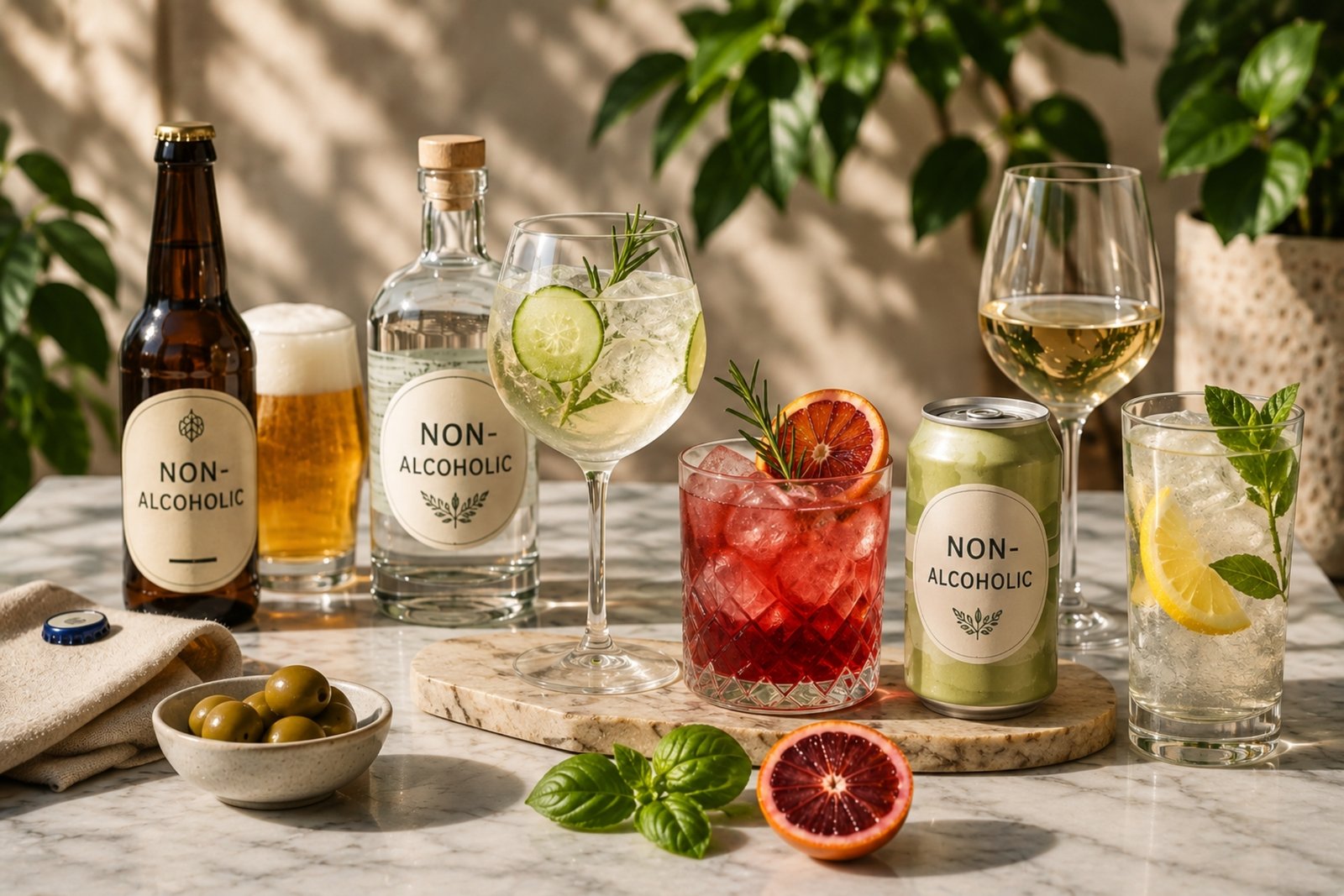
Walk into a restaurant, grocery store, or trendy hotel bar today and you may notice something that would have been unusual a few years ago: an entire section dedicated to drinks without alcohol.
Non-alcoholic beer, zero-proof spirits, alcohol-free wine, botanical drinks, sparkling teas, and sophisticated mocktails have moved from a niche curiosity into the mainstream.
And it isn’t just about people who have stopped drinking.
More people are choosing a non-alcoholic drink simply because they want to drink less, sleep better, feel better the next morning, or make a healthier choice without giving up the social experience of having a beautiful drink in their hand.
The trend became particularly visible after the COVID-19 pandemic, when many people started reassessing their routines, health, exercise, sleep, and relationship with alcohol.
But the story is bigger than COVID.
The no-alcohol movement was already growing before the pandemic, and the latest data suggests it has become a long-term lifestyle shift rather than a temporary trend. In the U.S., no-alcohol beverage volume grew 29% in 2023, and IWSR reported another 15% increase in no-alcohol beer volume in 2025—even while total U.S. beverage alcohol consumption fell 5%.
So what is driving this change—and could choosing a non-alcoholic drink actually be better for your health?
Why Did Non-Alcoholic Drinks Become So Popular?
1. People Are Rethinking Their Relationship With Alcohol
One of the biggest reasons is simple: people are becoming more interested in moderation.
You don’t necessarily have to identify as sober to want fewer alcoholic drinks.
You might enjoy wine on vacation but choose a zero-proof cocktail on a Tuesday night. You might have a beer at a barbecue but choose an alcohol-free version when you are driving.
This flexible approach is becoming increasingly common.
IWSR data shows that health and wellness are among the leading motivations for choosing no-alcohol products, while other consumers cite practical reasons such as avoiding a hangover or being able to drive.
In other words, the question is no longer simply:
“Do I drink or not?”
It is becoming:
“Do I want alcohol on this particular occasion?”
2. COVID-19 Changed How We Think About Health
The pandemic brought health into everyday conversations in a way few other events have.
People became more conscious of exercise, immunity, sleep, stress, nutrition, and mental well-being.
At the same time, the pandemic disrupted drinking habits. Some people drank more because of stress and isolation, while others used the period to reduce or rethink their alcohol consumption.
When normal social life returned, some of those new habits stayed.
That helped create an environment where moderation felt less unusual—and companies began responding with better non-alcoholic options.
3. The Products Finally Got Better
This may be one of the biggest reasons the category has grown.
Older alcohol-free beers and wines sometimes felt like an obvious substitute.
Today’s products are different.
Brewers and beverage companies have invested heavily in improving flavor, aroma, texture, and presentation.
There are now non-alcoholic beers designed to taste like craft beer, botanical spirits intended for sophisticated cocktails, and alcohol-free sparkling wines created specifically for celebrations.
IWSR says improved product quality and expanding availability are important factors behind the continued growth of the category.
And that changes everything.
People aren’t necessarily choosing between a boring soft drink and alcohol anymore.
They have another category entirely.
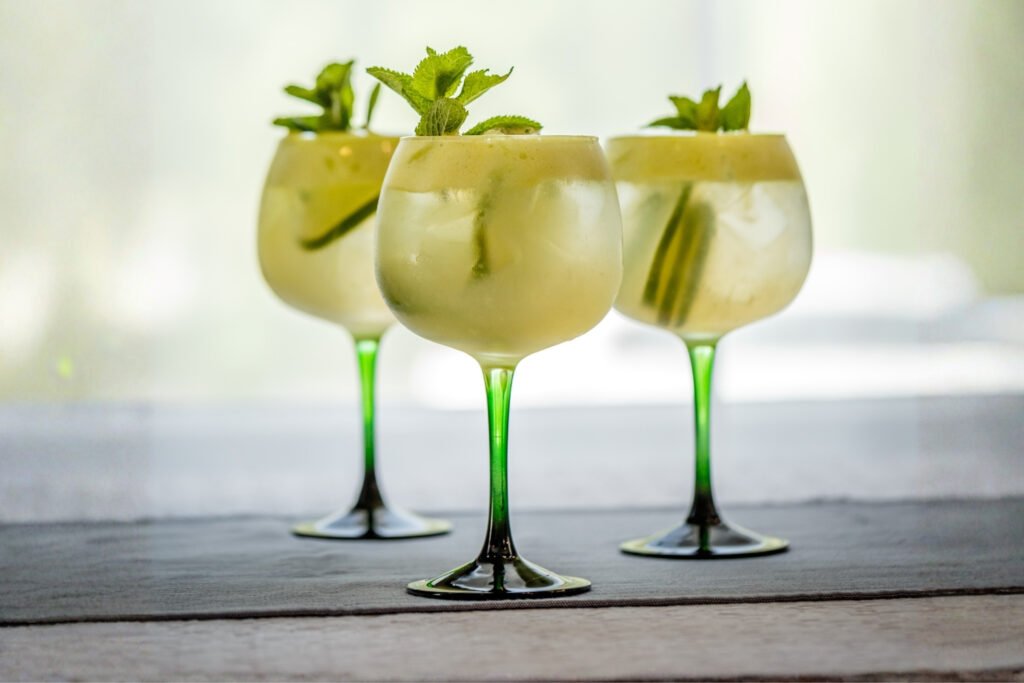
The Biggest Potential Health Benefit: Less Alcohol
Let’s get to the important part.
Is a non-alcoholic drink automatically healthy?
No.
But replacing an alcoholic drink with a genuinely alcohol-free alternative can reduce your alcohol exposure—and that can have meaningful health implications.
The World Health Organization states that alcohol is associated with more than 200 diseases, injuries, and health conditions. Alcohol is also a known carcinogen and is associated with increased risks of several cancers, including breast, liver, colorectal, and cancers of the mouth and throat.
That means the most important potential health advantage of non-alcoholic beverages isn’t that they contain some magical wellness ingredient.
It is much simpler:
They can help you drink less alcohol.
And reducing alcohol consumption can reduce exposure to alcohol-related health risks.
Research from the International Agency for Research on Cancer also found evidence that reducing or stopping alcohol consumption can reduce the incidence of some alcohol-related cancers.
What About Sleep?
This is another reason people are increasingly interested in alcohol-free evenings.
Alcohol can affect sleep quality even if it initially makes you feel sleepy.
So replacing an evening alcoholic drink with sparkling water, non-alcoholic beer, herbal tea, or another alcohol-free option may be an easy way to remove alcohol from your evening routine.
And for someone trying to build a healthier lifestyle, that small change can fit naturally alongside exercise, better nutrition, and a consistent sleep schedule.
What About the Morning After?
There is also an extremely practical benefit:
You don’t have to pay for tonight’s drink tomorrow morning.
A zero-proof cocktail at dinner doesn’t come with the same alcohol-related impairment or hangover that an alcoholic cocktail can.
That can make alcohol-free drinks particularly appealing when you have an early workout, work meeting, travel plans, or simply want to wake up feeling like yourself.
IWSR research specifically identifies avoiding hangovers and being able to drive as important reasons consumers choose no-alcohol beverages.
What Should You Choose?
Not all non-alcoholic beverages are created equal.
If your goal is better health, rather than simply avoiding alcohol, look beyond the words “non-alcoholic” on the front of the package.
Here are some of the better categories to consider.
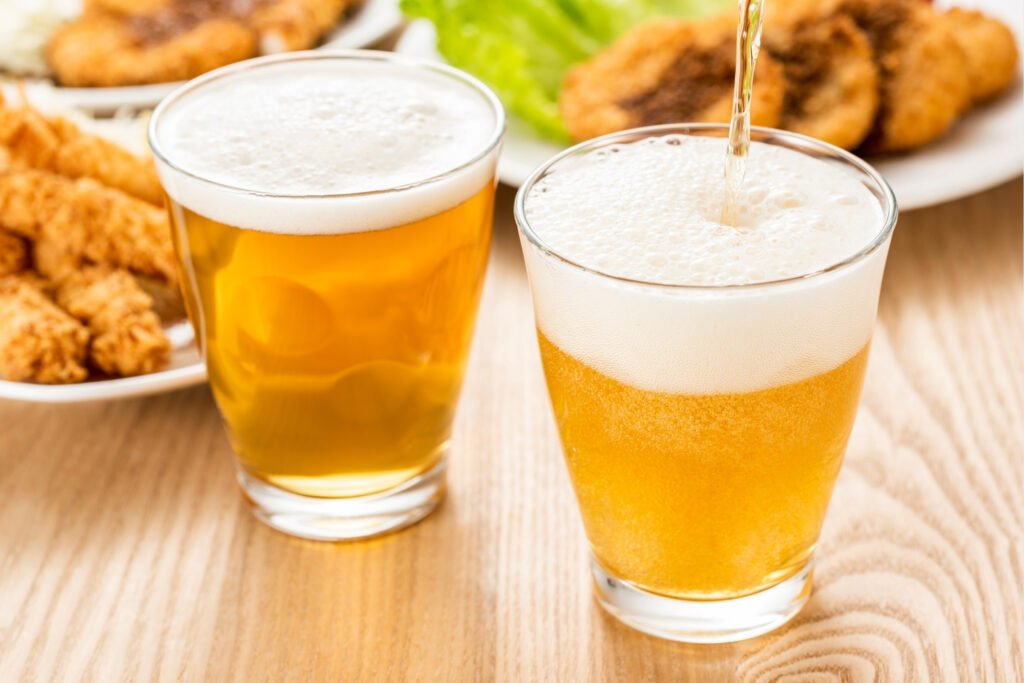
1. Non-Alcoholic Beer
Good choice if you: love beer but want to reduce alcohol.
Modern non-alcoholic beers can provide the familiar bitterness, carbonation, and refreshing character of beer without the alcohol.
Some research has also investigated beer’s naturally occurring polyphenols and their relationship with the gut microbiome. However, the evidence is still preliminary, and non-alcoholic beer shouldn’t be considered a health supplement.
Look for: lower added sugar, reasonable calories, and clearly labeled alcohol content.
2. Zero-Proof Gin-Style Spirits
Good choice if you: love cocktails.
These drinks use botanicals such as juniper, citrus, herbs, and spices to create a gin-inspired flavor without the traditional alcohol.
They can make an evening cocktail feel special without adding alcohol.
Look for: simple ingredient lists and low or no added sugar.
3. Non-Alcoholic Sparkling Wine
Good choice if you: want something for celebrations.
There is something about bubbles in a beautiful glass that makes an occasion feel special.
Alcohol-free sparkling wines can work well for brunches, weddings, dinner parties, holidays, and celebrations where you want the ritual of a toast without the alcohol.
Look for: lower sugar when possible.
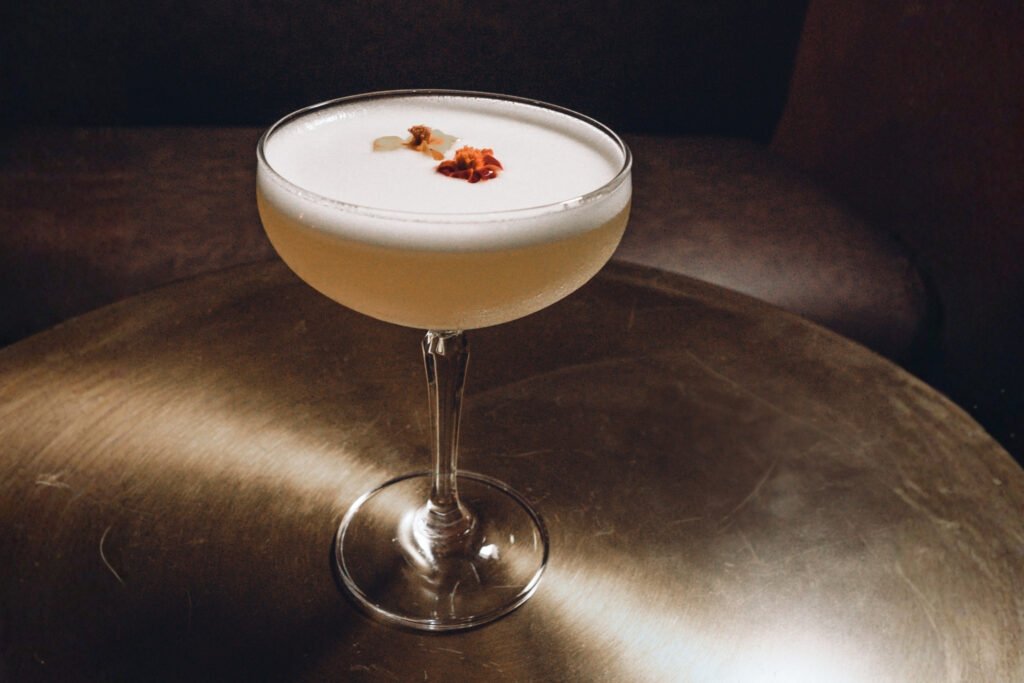
4. Non-Alcoholic Cocktails
Good choice if you: enjoy the cocktail experience.
A good zero-proof cocktail can contain citrus, herbs, sparkling water, bitters-style flavors, ginger, cucumber, berries, or other ingredients.
This category can be particularly interesting because you can make it feel like a real cocktail rather than simply drinking juice.
Watch out for: sugar. Some restaurant mocktails can contain as much sugar as a dessert.
5. Sparkling Water With Fresh Ingredients
Good choice if you: want the simplest option.
Don’t underestimate sparkling water.
Add lemon, lime, cucumber, mint, berries, orange, or fresh herbs and serve it in a beautiful glass.
It can look sophisticated without requiring a complicated recipe.
And unlike many packaged mocktails, it can be virtually calorie-free if you don’t add sugar.
6. Herbal or Botanical Sparkling Drinks
Good choice if you: want something more interesting than plain water.
Botanical drinks often combine herbs, flowers, spices, tea, citrus, or other flavors.
They can be a nice alternative when you’re looking for something sophisticated but don’t want alcohol.
Just remember:
“Botanical” doesn’t automatically mean “healthy.”
Check the nutrition label and ingredients.
7. Non-Alcoholic Wine
Good choice if you: enjoy wine with dinner.
The category has been growing rapidly, particularly among consumers interested in moderation. IWSR reported that U.S. no-alcohol wine grew at a 23% compound annual growth rate from 2019 to 2024.
However, taste and quality can vary significantly.
Look for: lower sugar, good ingredients, and a flavor profile you actually enjoy.
A Simple Guide: Which One Should You Try?
| If you normally drink… | Try instead… |
|---|---|
| Beer | Non-alcoholic beer |
| Gin & tonic | Zero-proof gin-style spirit + tonic |
| Wine with dinner | Non-alcoholic wine or sparkling water |
| Champagne | Alcohol-free sparkling wine |
| Margarita | Zero-proof margarita |
| Sweet cocktail | Citrus + sparkling water + herbs |
| Evening drink at home | Botanical sparkling drink |
| Casual drink with friends | Non-alcoholic beer or mocktail |
The goal isn’t to make every drink “healthy.”
It is to give yourself more choices.
But Don’t Assume “Non-Alcoholic” Means Healthy
This is important.
A drink can contain no alcohol and still contain a lot of sugar.
Some alcohol-free cocktails are essentially fruit juice and flavored syrup. Some non-alcoholic beverages can also contain significant calories or other ingredients you may not want to consume regularly.
So before buying one, check:
Alcohol content: Is it actually 0.0% ABV, or does it contain a small amount of alcohol?
Added sugar: Especially important with mocktails and alcohol-free wines.
Calories: Compare products if weight management is part of your goal.
Ingredients: A shorter, simpler ingredient list may be preferable depending on your priorities.
And if you need to completely avoid alcohol—for example, because of pregnancy, medication interactions, recovery, or another personal reason—don’t assume that “non-alcoholic” always means zero alcohol. Check the actual ABV and labeling carefully. WHO has also noted that labeling and definitions in the no/low-alcohol category can vary and that the public-health evidence around these products is still developing.
Is Non-Alcoholic Beer Actually Healthy?
This is where we should be realistic.
You may see articles describing non-alcoholic beer as a “healthy beer,” but that’s too simplistic.
It can be a healthier substitute for alcoholic beer because it removes or greatly reduces alcohol.
That’s different from saying beer itself is a health food.
Some studies have explored potential effects of beer-derived polyphenols and the gut microbiome, but this research is not strong enough to recommend non-alcoholic beer specifically for gut health.
Think of it as a better substitution, not a wellness miracle.
The New Definition of Moderation
Perhaps the most interesting part of this trend isn’t the beverages themselves.
It is the attitude behind them.
People are realizing that they don’t have to choose between drinking heavily and never touching alcohol again.
There is a middle ground.
You can have wine on vacation.
You can enjoy champagne at a wedding.
You can have a cocktail with friends.
And you can also decide that tonight you want something alcohol-free.
That flexibility may be one reason the category continues to grow.
In 2024, no- and low-alcohol beverage volumes increased 13% across ten major global markets, and IWSR expects the category to continue growing through 2028.
More recently, IWSR reported that health-related motivations remain particularly important: 37% of no-alcohol beer consumers and 40% of consumers of no-alcohol wine and spirits cited a healthy lifestyle choice as a reason for their purchase.
The Bottom Line
The rise of non-alcoholic beverages isn’t simply about people giving up alcohol.
It is about having a choice.
And from a health perspective, the biggest advantage is straightforward: if a non-alcoholic beverage replaces an alcoholic one, you are consuming less alcohol.
That can mean less exposure to alcohol-related risks, while still allowing you to enjoy the ritual, flavor, social experience, and beauty of a well-made drink.
So the next time you are deciding what to pour into your glass, you don’t have to think in terms of drink or don’t drink.
Think about another question:
“What will make me feel best tomorrow?”
Sometimes, the answer might still be wine.
And sometimes, it might be a beautifully chilled non-alcoholic drink with plenty of flavor—and no alcohol at all.