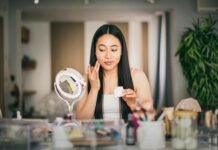

You don’t need a dramatic makeover to look refreshed. Sometimes, a few small changes to your everyday beauty routine can make you feel more confident, polished, and comfortable in your own skin.
Have you ever looked in the mirror and felt that something looked a little different, even though you couldn’t quite explain what it was? Maybe your skin looks less radiant, your eyes seem more tired, or the hairstyle you’ve worn for years no longer feels quite right.
As we get older, our faces and bodies naturally change. Skin texture, hair density, facial contours, and even the way makeup sits on our skin can evolve. But that doesn’t mean we need to fight every sign of aging or completely change how we look.
Sometimes, the smallest adjustments make the biggest difference.
Here are seven simple beauty changes worth trying if you want to look fresher, feel more attractive, and make the most of what you already have.
1. Give Your Skin More Attention Than Your Makeup
One of the first changes many women notice with age is that their skin becomes drier, less elastic, or less even in tone. Fine lines may become more visible, and products that once worked beautifully may suddenly settle into wrinkles or emphasize dry patches.
The solution isn’t necessarily more makeup. It may be a better skincare routine.
What to try:
- Use a gentle cleanser that doesn’t leave your skin feeling tight.
- Apply a moisturizer suited to your skin type, especially if you notice dryness.
- Wear broad-spectrum SPF 30 or higher every day to help prevent additional sun damage.
- Consider a vitamin C product if uneven tone is a concern, or ask a dermatologist whether a retinoid is appropriate for your skin.
You don’t need ten different products. A consistent routine is often more useful than an overflowing bathroom shelf.
The little change: Before buying another foundation, see whether your skin needs more hydration. Well-moisturized skin can look smoother and more comfortable, even without makeup.
2. Reconsider Your Hairstyle
Hair can make a remarkable difference to how we perceive our appearance. With age, some women experience changes in hair thickness, texture, color, or volume. A hairstyle that looked wonderful ten years ago may no longer create the effect you want today.
That doesn’t mean you need to cut your hair short or cover every gray strand.
What to try:
- Ask your hairstylist for a shape that works with your current hair texture and face shape.
- Consider soft layers or a different part if your hair looks flatter than it used to.
- Try a glossing treatment or color refresh if your hair looks dull.
- If you prefer gray hair, focus on keeping it healthy, shiny, and well-shaped.
If you notice sudden or significant hair thinning, consider speaking with a healthcare professional. Hair changes can sometimes be related to treatable causes.
The little change: Instead of asking for the same haircut you have always had, ask your stylist what would make your hair look fuller, healthier, and easier to maintain now.
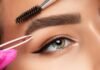
3. Don’t Underestimate Your Eyebrows
Eyebrows frame the face, but they can become thinner or sparser over time. Overplucking, hormonal changes, and natural aging can all contribute.
Very thin brows may no longer give you the look you want, while overly dark or sharply drawn brows can appear harsh.
What to try:
- Fill sparse areas with a fine pencil or powder close to your natural brow color.
- Use light, hairlike strokes rather than drawing one solid line.
- Brush brows into place with a clear or tinted gel.
- Avoid aggressive plucking, especially if your brows are already sparse.
The little change: Give your eyebrows a softer, more natural shape. A few carefully placed strokes can make your face look more defined without adding much makeup.
4. Find a Makeup Routine That Works With Your Skin Today
Makeup preferences often stay the same long after our skin has changed. A full-coverage foundation, heavy powder, or dark eyeliner that once felt flattering may now emphasize texture or make the face look tired.
You don’t have to abandon makeup. You may simply need a lighter hand.
What to try:
- Choose a foundation or tinted moisturizer that matches your skin and desired coverage.
- Apply concealer only where you need it instead of covering the entire face.
- Use powder sparingly on areas that become shiny.
- Try cream blush for a fresh, natural-looking flush if your skin tolerates it.
- Experiment with softer eyeliner or brown mascara for a less defined, everyday look.
And don’t overlook color. A lipstick shade that makes you feel beautiful is more important than following a trend designed for someone else.
The little change: Apply your usual makeup in natural daylight and look at the result from a little distance. You may discover that you need less product than you think.
5. Take Care of Your Hands and Neck
We often focus so much on facial skincare that we forget about the neck, chest, and hands. Yet these areas receive sun exposure, too, and may show pigmentation, dryness, and changes in skin texture over time.
You don’t need an expensive anti-aging treatment to give them more attention.
What to try:
- Extend your moisturizer and sunscreen to your neck and exposed chest.
- Apply hand cream after washing your hands and whenever your skin feels dry.
- Protect your hands from excessive sun exposure with sunscreen and, when practical, gloves for outdoor activities.
- If dark spots or changes in skin texture concern you, ask a dermatologist about suitable treatments.
The little change: Keep hand cream somewhere you will actually use it—beside your bed, at your desk, or in your handbag. Small habits are easier to maintain when they’re convenient.
6. Add a Little Color Back to Your Everyday Look
As our hair color, skin tone, or personal style evolves, some of the colors we once loved may stop giving us the same effect. Wearing only black, gray, or beige can feel elegant, but sometimes a little color near the face makes an outfit feel more alive.
You don’t need a colorful wardrobe to experiment.
What to try:
- Test a rose, berry, soft peach, or warm pink lipstick.
- Add a scarf in a color that complements your complexion.
- Try a cream or ivory top instead of stark white if it suits you better.
- Experiment with earrings that bring attention to your face.
There are no universal rules about which colors make women look younger. Skin undertones, contrast, personal taste, and lighting all matter.
The little change: Hold two different colors near your face in natural light and notice which one makes you feel brighter and more confident. Your own reflection is a useful starting point.
7. Pay Attention to the Details That Make You Feel Polished
Sometimes, feeling more attractive has less to do with wrinkles and more to do with the small details of everyday grooming.
Chipped nail polish, dry lips, frizzy hair, or clothes that don’t fit comfortably can make us feel less put together—not because these things are flaws, but because they may not reflect how we want to present ourselves.
What to try:
- Keep nails neat with a clear coat, a neutral shade, or a simple manicure.
- Use a nourishing lip balm, particularly in cold or dry weather.
- Choose clothes that fit your current body comfortably rather than holding on to a size you wore years ago.
- Find a simple everyday fragrance if you enjoy wearing perfume.
- Make time for movement, adequate sleep, and activities that help you feel energized.
You don’t need a perfect manicure, designer clothes, or an elaborate morning routine. The goal is to find a few details that make you feel like yourself on a good day.
The little change: Choose one small grooming habit you can maintain without effort. Consistency matters more than perfection.
What About Wrinkles, Dark Spots, and Other Signs of Aging?
Let’s be honest: skincare and makeup can help improve the appearance of some age-related changes, but they cannot erase every sign of aging.
Fine lines, changes in facial volume, uneven pigmentation, and skin laxity are normal parts of getting older. Some can be softened with appropriate skincare or professional treatments, but the results vary.
If a particular concern bothers you, a dermatologist can help you distinguish normal age-related changes from issues that deserve medical attention and recommend evidence-based options.
Also, don’t ignore sudden changes. A new or changing skin lesion, sudden hair loss, or a persistent change around the eyes should be assessed by a healthcare professional rather than treated as an ordinary sign of aging.
The goal isn’t to look like a younger version of someone else. It’s to find what helps you look and feel your best now.
The Beauty Change Worth Making First
If you take only one idea from this list, let it be this: update your beauty routine instead of automatically adding more products.
Your skin may need more moisture. Your brows may benefit from a softer shape. Your hairstyle may need a refresh. Or perhaps you’ve simply been wearing the same lipstick for years without trying anything new.
Pick one change and give it a couple of weeks. Notice how it looks, how it feels, and whether it fits your everyday life.
You don’t need to change everything at once, and you certainly don’t need to chase every new beauty trend.
Sometimes, feeling more attractive begins with looking in the mirror and realizing that a few thoughtful changes are enough.
What small beauty change has made the biggest difference for you? A new hairstyle, a better skincare routine, a lipstick you love, or something completely different? Share your experience—we may all discover a new idea worth trying.