Every September 11, New York feels a little different.
The city continues moving, as it always does. Trains run, people hurry to work, tourists walk through Lower Manhattan. But beneath that familiar rhythm is a memory that never really leaves.
Twenty-five years later, September 11 remains part of New York’s history — and part of the lives of the people who were here, the people who lost someone, and the generations who learned about that day afterward.
Just steps from the 9/11 Memorial stands a place that carries that history in a very different way.
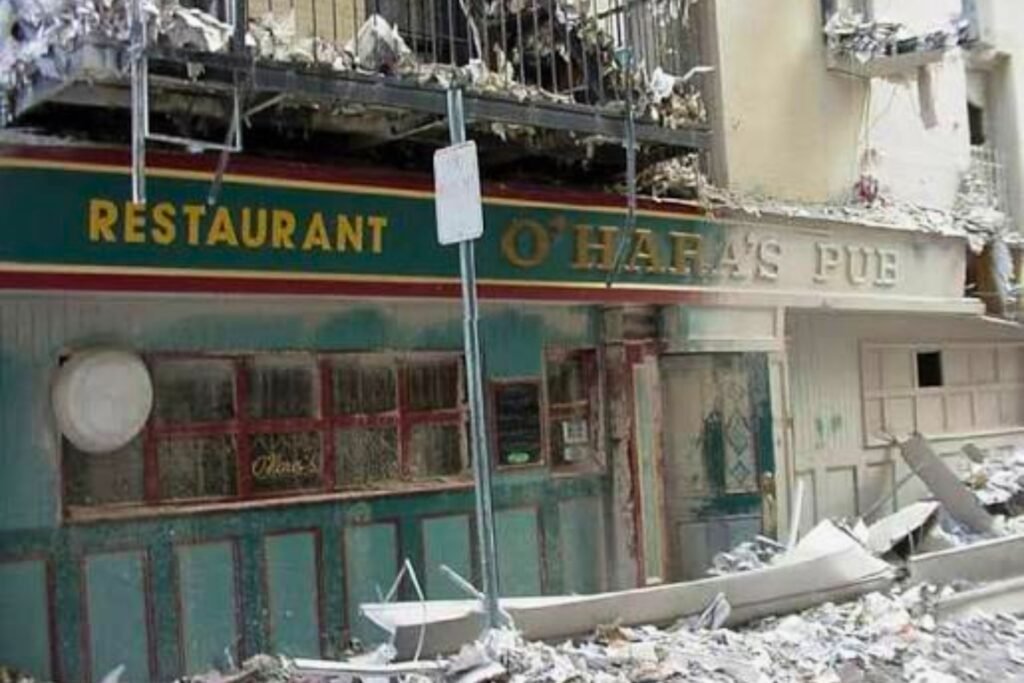
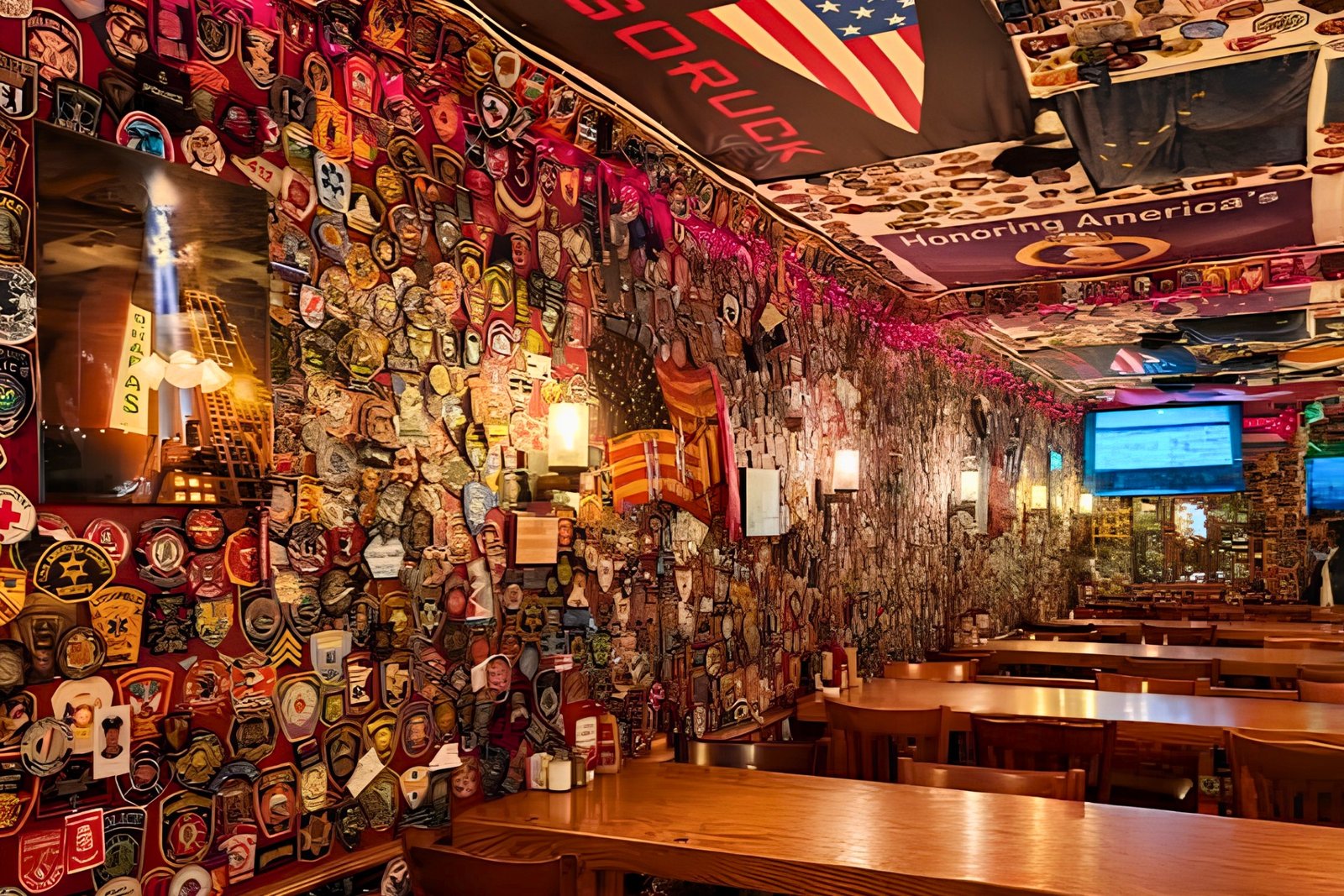
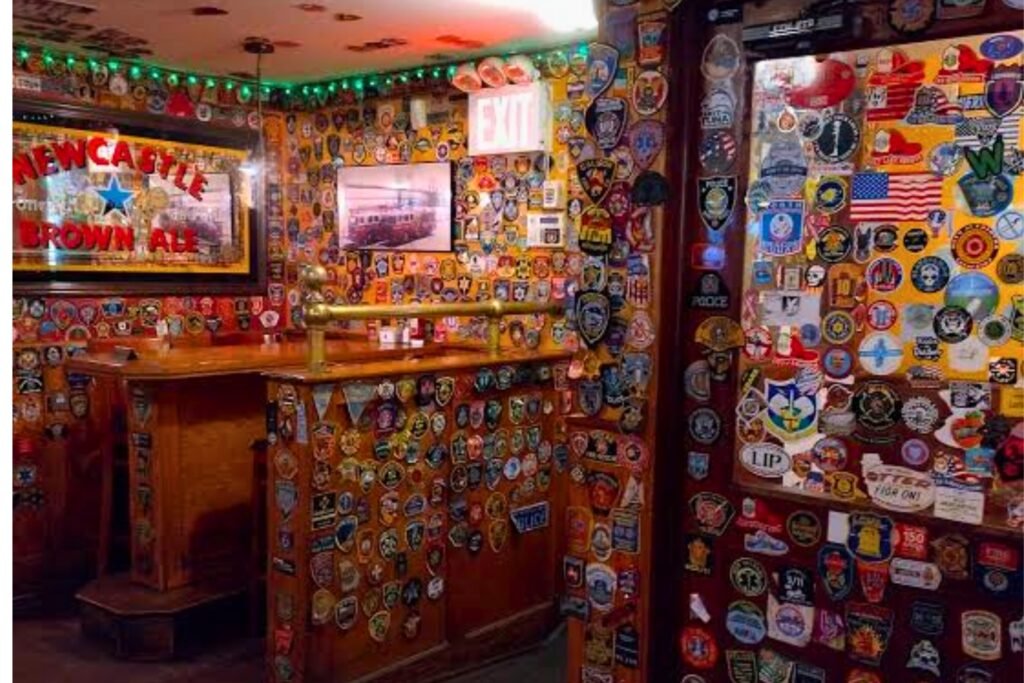
O’Hara’s Pub is not a traditional memorial. It is a neighborhood pub, a gathering place, and a living piece of the story of September 11. Its walls are covered with patches left by firefighters, police officers, military personnel, and first responders who came to New York from around the country and the world.
I have stopped at O’Hara’s many times.
And every time, I find myself doing the same thing: I quietly look at the patches.
I read them one by one.
I don’t always know the departments or the places they represent. Sometimes I recognize a name or a location. Sometimes I don’t. But I always understand what they mean.
They are there to remember.
And I am there to pay respect.
A Wall That Became History
O’Hara’s was already a neighborhood pub before September 11, 2001. After the attacks, however, its location near the World Trade Center placed it at the center of a community of first responders, workers, volunteers, and visitors connected to Ground Zero.
Over the years, first responders from across the United States and around the world began leaving their department patches at the pub.
According to O’Hara’s, the collection has grown to more than 7,000 patches.
Thousands of small pieces of fabric.
Thousands of reminders.
Together, they form something much larger than a collection.
They form a living memorial.
The walls tell a story that cannot be contained in a textbook or a museum display. They show how people from different cities, states, countries, and departments came together after one of the darkest days in American history.
When I Stand There, I Think About More Than September 11
When I stop at O’Hara’s, I don’t think only about the tragedy.
I think about the people.
The firefighters who ran toward the buildings.
The police officers who stayed to help.
The paramedics and emergency workers.
The volunteers.
The people who came from far away because someone needed help.
And I think about the families who waited for people who would never come home.
That is why I find the patches so difficult to simply walk past.
I can stand there for several minutes just reading them, quietly.
There is no need to say anything.
It feels like a small act of respect — acknowledging that these people were here, that they served, and that what happened mattered.
The Strength of Being Together
One of the most powerful things about O’Hara’s is what the patches say without words.
After September 11, people came together.
New Yorkers came together.
First responders came together.
People from across the country came together.
And people from around the world came together.
The patches represent that connection.
Each one belongs to a particular department or organization, but on the wall they become part of one enormous story.
Different uniforms.
Different cities.
Different backgrounds.
One shared purpose.
Standing there, I am reminded that strength doesn’t always come from being alone or being strong individually.
Sometimes strength comes from standing together.
From showing up for one another.
From saying, in whatever small way we can, you are not alone.
That feeling is one of the reasons I keep coming back.
A Place Where Remembrance and Life Exist Together
There is something particularly meaningful about O’Hara’s being a pub rather than a formal memorial.
People talk there.
They eat.
They meet friends.
Life continues.
And surrounding all of that are these reminders of people who gave so much.
I think there is something deeply human about that.
We cannot live forever inside our grief. We have to continue.
But continuing doesn’t mean forgetting.
O’Hara’s seems to embody that idea.
The memories are on the walls while life carries on around them.
Perhaps that is part of healing — not erasing painful history, but learning how to carry it with us.
On September 11, I Want to Remember
Today, on September 11, I think about how much history can be contained in one place.
A few steps from the 9/11 Memorial, O’Hara’s carries another layer of that history.
Its walls preserve the gestures of thousands of first responders who came to New York and left behind a patch as a sign of solidarity, remembrance, and respect.
For me, visiting O’Hara’s has never been about simply stopping for a drink.
It has been about stopping.
Looking.
Reading.
Remembering.
And feeling grateful for the people who ran toward danger when so many others were trying to escape it.
Every time I stand there and read those patches, I feel the same quiet respect.
And I feel something else, too: a reminder that when people come together, they can find strength even in the aftermath of unimaginable loss.
We Remember. We Stand Together.
September 11 is a day to remember the lives lost and the people whose lives were forever changed.
It is also a day to remember the courage of those who responded.
And perhaps, most importantly, it is a day to remember the power of coming together.
O’Hara’s is one of the places in New York where that feeling remains tangible.
You can see it on the walls.
You can feel it in the patches.
You can sense it in the stories behind them.
And when I visit, I quietly read those patches and pay my respects.
For a few moments, I stand among the memories.
And I am reminded that history is not only something we read about.
Sometimes, it is something we stand inside.
On this September 11, we remember those we lost. We honor those who served. And we remember the strength that comes from standing together.