Luxury does not always have to mean buying something brand new.
In fact, some of the smartest luxury purchases can be found one owner later.
The second-hand luxury market has transformed the way people shop for designer handbags, watches, jewelry, shoes, and clothing. Instead of paying full retail for a brand-new piece, shoppers can often find beautifully preserved items for significantly less — and sometimes discover discontinued or vintage pieces that are no longer available in boutiques.
But there is an important distinction: pre-owned does not automatically mean a good investment.
The smartest approach is to look at craftsmanship, desirability, condition, rarity, resale demand, and authenticity before you buy.
Why Buy Second-Hand Luxury?
The obvious advantage is price. A pre-owned designer bag can cost substantially less than the current retail price, particularly when it has been gently used.
But the benefits go beyond saving money.
You may find a discontinued color, an older version of a classic design, a vintage piece with character, or a style that has become difficult to purchase directly from the brand.
There is also an interesting financial advantage. When you buy a highly desirable luxury item second-hand, some of the depreciation has already happened. You are not necessarily taking the same initial hit as someone purchasing the item at full retail.
And when you eventually sell it, you may be able to recover a meaningful portion of what you paid.
That is where the idea of a “wearable investment” comes in.
You get to use the item while it retains potential resale value.
Is Second-Hand Luxury Really an Investment?
Sometimes — but think of it as value retention, rather than a guaranteed financial investment.
A stock can produce dividends or appreciate independently of whether you use it. A handbag cannot.
Luxury resale values are influenced by fashion trends, condition, scarcity, brand pricing, consumer demand, and the broader economy. Even highly desirable pieces can lose value.
However, certain categories have historically demonstrated stronger resale demand than ordinary fashion pieces.
What tends to hold value better?
- Iconic handbags with enduring demand
- Limited editions and rare colors
- Vintage pieces from important periods
- Classic watches from established luxury brands
- Fine jewelry from recognized houses
- Items in excellent or pristine condition
- Pieces with original packaging and documentation
- Styles that have remained recognizable for many years
Hermès, Chanel, Louis Vuitton, Cartier, Rolex and other established luxury houses frequently appear in the resale market because their products have strong brand recognition and established secondary-market demand. But even within these brands, one model can perform very differently from another.
Current resale platforms also emphasize factors such as scarcity, demand, condition and market trends when determining prices.
The Good and the Bad of Buying Pre-Loved
| The Good | The Bad |
|---|---|
| Lower price than buying new | Some pieces depreciate significantly |
| Access to discontinued designs | Counterfeits are a serious risk |
| Vintage pieces can have character and rarity | Condition can be difficult to judge from photos |
| Potentially stronger value retention | Resale value is never guaranteed |
| More choices across different seasons | Popular pieces can still be expensive |
| Can find older, higher-quality versions of some designs | Repairs or alterations may affect value |
| More sustainable than buying new | Returns and buyer protections vary by seller |
| You can sometimes buy into luxury brands at a lower entry price | Authentication requires careful attention |
The biggest advantage is simple: you can potentially buy better quality for the same amount of money.
Instead of spending $2,000 on a contemporary item with little resale demand, you might find a classic pre-owned piece from a major luxury house for a similar amount.
Where Should You Buy Second-Hand Luxury?
The safest starting point is an established luxury-resale specialist with a documented authentication process and a clear return policy.
Some well-known options include:
- FASHIONPHILE — specializes in pre-owned luxury handbags and accessories and states that every item undergoes a multi-step authentication process. It also provides a digital certificate of authenticity with purchases.
- The RealReal — offers authenticated luxury across handbags, clothing, jewelry, watches and other categories. Its authentication process combines trained specialists with technology and machine learning.
- Vestiaire Collective — combines human authentication expertise with technology and offers an Authentication & Quality Control Report on eligible purchases.
You can also find exceptional pieces through reputable vintage boutiques, estate sales and specialist auction houses.
The important part is not simply where the item is listed. It is whether the seller has a transparent authentication process, accurate condition descriptions, buyer protection and a reasonable return policy.
How Much Discount Should You Expect?
There is no universal “second-hand discount.”
A common mistake is assuming that every pre-owned luxury item should be 50% or 70% cheaper than retail.
That is not how the market works.
A highly desirable classic may sell for only modestly below current retail — and occasionally certain sought-after pieces can command prices close to or above retail.
At the other end of the market, less desirable styles, heavily worn pieces and older items with limited demand can be dramatically cheaper.
As one current example, FASHIONPHILE advertises pre-owned handbags at discounts of up to 70% off retail, although that is a maximum advertised saving rather than a typical discount for every item.
A useful shopping framework
| Condition / Demand | Rough expectation |
|---|---|
| Pristine, highly desirable classic | 0–20% below retail |
| Excellent condition, strong demand | 15–35% below retail |
| Good condition, established designer | 25–50% below retail |
| Older or less popular style | 40–60%+ below retail |
| Rare collectible | May sell close to or above retail |
These are shopping guidelines, not guaranteed market discounts. Current retail prices, model popularity and resale demand can change the equation considerably.
The better question is not, “How big is the discount?”
Ask:
“Is this a good price compared with what this exact model is actually selling for?”
What Should You Buy?
If your goal is both enjoyment and potential value retention, resist buying simply because something carries a famous logo.
Look for timelessness.
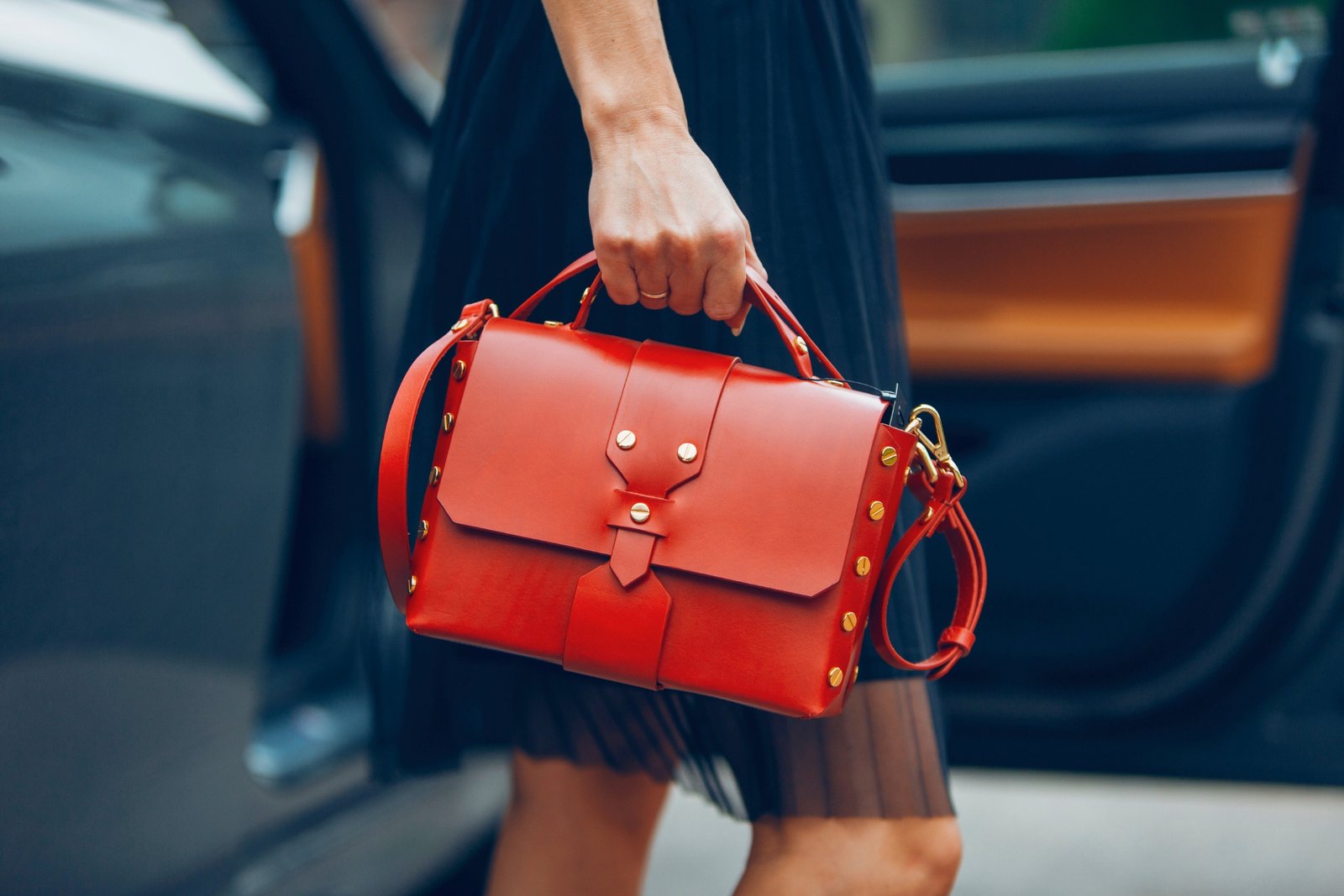
A structured black handbag, classic gold jewelry, an understated watch or a beautifully made leather accessory is less dependent on a particular season than an extremely trendy design.
Strong candidates for a luxury resale wardrobe
Classic handbags
Think recognizable silhouettes rather than highly seasonal designs.
Fine jewelry
Pieces from established houses can be particularly attractive because jewelry is compact, durable and easier to store than clothing.
Luxury watches
Established models with strong collector demand can have an active secondary market, although watches require especially careful authentication and condition assessment.
Vintage handbags
A vintage piece can be wonderful when the design has returned to fashion or has remained desirable for decades.
Neutral colors
Black, brown, beige, navy and other versatile shades generally have broader styling potential than unusual seasonal colors.
Limited or discontinued pieces
Scarcity can help, but only when there is genuine demand. “Rare” does not automatically mean “valuable.”
What I Would Avoid
If resale value matters, be careful with pieces that are heavily trend-dependent.
Extremely seasonal designs, unusual novelty pieces, heavily damaged bags and items with extensive modifications can be harder to resell.
Also be cautious about buying a luxury item simply because it is dramatically discounted.
A $5,000 bag selling for $1,000 sounds like an incredible deal.
But if nobody wants the bag, you have not necessarily found an investment.
You have found an inexpensive bag.
The Most Important Step: Authentication
This is where second-hand luxury becomes very different from ordinary second-hand shopping.
Counterfeiters have become increasingly sophisticated, and a convincing logo or serial number is not enough to establish authenticity.
Professional authentication can involve examining construction, stitching, materials, hardware, engravings, stamps, date or serial information and other brand-specific details. FASHIONPHILE, for example, says its authenticators examine these details as part of its process.
The RealReal similarly describes a brand-specific process involving trained specialists and technology.
Your authentication checklist
Before purchasing, look for:
1. Seller reputation
Check how long the seller has operated, reviews, buyer protection and return policies.
2. Detailed photographs
You should be able to examine the logo, stitching, hardware, interior, corners, lining and other relevant details.
3. Provenance
Original receipts, purchase records, packaging and ownership history can add confidence, although paperwork itself can also be counterfeited.
4. Model-specific research
Learn the exact characteristics of the model and production period you are considering.
5. Professional authentication
For an expensive purchase from an individual seller or marketplace, consider independent authentication before the return period expires.
6. Price sanity check
If the price seems dramatically lower than comparable authentic examples, investigate before celebrating.
A certificate from a reseller can be useful, but it should not replace sensible due diligence. Even Vestiaire Collective acknowledges that no authentication process can guarantee 100% accuracy.
Don’t Confuse Authentication With Condition
An item can be completely authentic and still be a poor purchase.
Authentication answers:
“Is it real?”
Condition answers:
“Is it worth this price?”
Look carefully for:
- Scratches
- Corner wear
- Cracking leather
- Odors
- Discoloration
- Stains
- Peeling
- Tarnished hardware
- Missing pieces
- Replaced parts
- Repairs
- Alterations
Repairs are particularly important because they can influence future resale value. Professional resale platforms routinely document repairs and alterations as part of their condition assessment.
The Original Box Isn’t Everything
It is tempting to believe that the dust bag, box, receipt and authenticity card automatically make an item more valuable.
They can help, but the actual item matters more.
A pristine, authentic handbag without its original box can be a better purchase than a heavily worn handbag with beautiful packaging.
Think of the accessories as supporting evidence and added value — not proof that the item itself is authentic.
A Simple Formula for Buying Smart
Before purchasing an expensive pre-owned luxury item, ask yourself five questions:
Do I love it?
If resale values change, you should still want to own it.
Is it timeless?
Classic designs generally have broader appeal than highly seasonal pieces.
Is the condition strong?
Condition has a direct impact on desirability and resale value.
Is the price competitive?
Compare the exact model, not simply the same brand.
Can I establish authenticity?
If you cannot answer this confidently, walk away.
The Bottom Line
Second-hand luxury can be one of the most elegant ways to shop.
You can access exceptional craftsmanship without always paying the current full-retail price, discover pieces that have disappeared from boutiques and potentially buy items with stronger resale value.
But the smartest luxury shopper isn’t looking for the biggest discount.
She is looking for the right piece at the right price from the right seller.
Buy timeless rather than merely trendy. Prioritize condition over packaging. Research resale demand before assuming something is an investment. And when the price is significant, treat authentication as essential rather than optional.
Because the best pre-loved luxury purchase isn’t simply the one that looks expensive.
It’s the one that still looks valuable years after you bought it.