

Most people think of luxury as something that happens occasionally — a special dinner, a nice hotel, a treat you give yourself when you’ve earned it. But the people who genuinely live with elegance and ease don’t experience it that way at all. For them, luxury isn’t an event. It’s a rhythm.
It’s built into the morning before anyone else is awake. It’s in the way they make their coffee and the five minutes they spend choosing what to wear. It’s in the unhurried quality of their evenings and the consistency of their nights. It’s not dramatic and it’s not expensive. It’s simply intentional — day after day, in small ways that compound over time into something that looks, from the outside, like effortless grace.
That’s what an elegant daily routine actually is. Not a rigid schedule. Not a productivity system. Just a series of small, considered habits that make each day feel like it belongs to you.
Here’s how to build one.
The Morning Sets Everything
There’s a reason every conversation about elegant living eventually comes back to the morning. How you start your day doesn’t just affect your mood — it sets the entire tone for how you move through the hours that follow. A rushed, chaotic morning produces a rushed, reactive day. A calm, intentional morning produces something very different.
The elegant morning isn’t about waking up at 5am or following a rigid routine borrowed from someone else’s life. It’s about creating a window of time — even thirty minutes — that belongs entirely to you before the demands of the day begin.
Start before your phone does. This is perhaps the single most transformative habit available to anyone, and also the most resisted. The moment you reach for your phone first thing in the morning, you’ve handed the first hour of your day to other people’s agendas — their emails, their news, their content. An elegant morning begins in your own head, not someone else’s feed.
Make something warm and drink it slowly. Coffee, tea, warm water with lemon — the specific drink matters less than the ritual around it. Use a cup you love. Sit somewhere comfortable. Don’t do anything else while you drink it. This sounds almost absurdly simple, but a quiet ten minutes with something warm before the day begins is one of the most genuinely luxurious things available to most people, and most people rush straight past it.
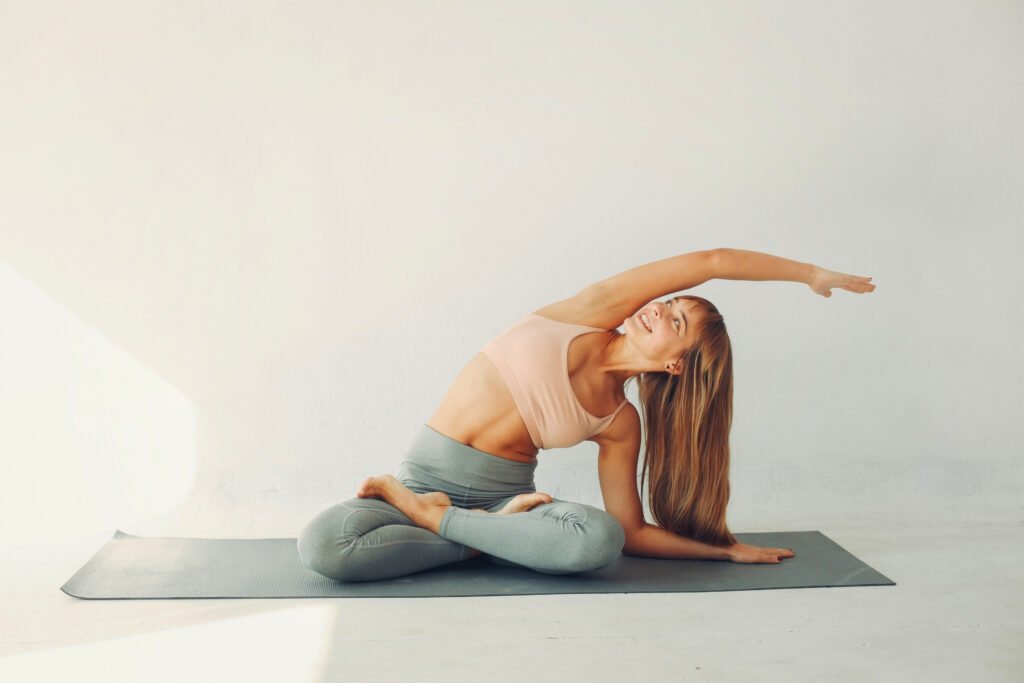
Move your body before you engage your mind. A walk, a stretch, a gentle yoga practice, a swim — something that gets you into your body before you spend the day in your head. It doesn’t need to be long or intense. Twenty minutes of movement in the morning produces a physical and mental clarity that no amount of coffee can replicate.
Dress with intention. This is where the quiet luxury wardrobe pays its greatest dividends. When your clothes are well-chosen, well-maintained, and thoughtfully organized, getting dressed stops being a stressful decision and becomes a small, satisfying ritual. Lay out your outfit the night before if mornings are rushed. Choose clothes you genuinely love rather than clothes that are merely available. The way you dress affects how you feel and move through the world all day — it’s worth the few extra minutes.
The Art of the Unhurried Meal
One of the clearest markers of an elegant life is the relationship with food — not what you eat, particularly, but how you eat it.
Eating at a desk, eating standing over the kitchen counter, eating while scrolling through your phone — these habits are so normalized that most people don’t even notice them anymore. But they produce a particular kind of dissatisfaction that’s hard to name: a sense that the day is passing without being properly inhabited.
The elegant alternative is simpler than it sounds.
Sit down for meals. All of them, when possible. Set a proper place — a real plate, actual cutlery, a glass rather than a bottle. This doesn’t require any additional time, just the decision to treat eating as its own activity rather than a background task.
Cook occasionally and enjoy it. Not every meal, not even most meals — but sometimes, prepare something from scratch because the process itself is pleasurable. Chopping vegetables, the smell of something in the oven, the satisfaction of having made something real with your hands. This is one of the most grounding and genuinely luxurious domestic pleasures available to anyone, regardless of budget.
Eat without screens when you can. A meal eaten with full attention — tasting the food, noticing it, being present with whoever you’re eating with or simply with yourself — is a qualitatively different experience from a meal eaten in front of a screen. It sounds like a small thing. It isn’t.

Building Work Into the Day With Grace
An elegant daily routine doesn’t pretend that work doesn’t exist. Most of us spend a significant portion of our waking hours working, and a life that’s genuinely elegant has to find a way to make that time feel purposeful rather than merely endured.
Start with the most important thing. Before email, before meetings if possible, before the reactive work that fills most people’s mornings — spend the first focused hour of your working day on whatever matters most. This single habit produces more meaningful output than almost any other productivity technique, because it ensures that your best mental energy goes to your best work rather than to other people’s requests.
Create transitions between work and rest. One of the things that makes modern work life feel relentless is the absence of clear boundaries — work bleeds into evenings, weekends, mornings. An elegant routine has edges. There’s a time when work begins and a time when it ends, and some kind of small ritual that marks the transition. A short walk. Changing out of work clothes. A cup of tea made deliberately. These transitions signal to your nervous system that one mode is over and another has begun.
Take actual breaks. Not scrolling breaks — genuine breaks where you step away from screens entirely for a few minutes, look out a window, walk around the block, or simply sit quietly. These breaks aren’t inefficiencies in your day. They’re what makes sustained, quality work possible.
The Evening as a Return to Yourself
If the morning is about setting tone, the evening is about restoration. It’s the time when the day’s demands recede and you have the opportunity to return to yourself — to do things that nourish rather than deplete, to prepare for rest in a way that makes tomorrow’s morning easier and calmer.
Most people’s evenings are spent in a kind of passive consumption — scrolling, watching, snacking — that feels like rest but doesn’t actually produce it. An elegant evening is more intentional than that, though not dramatically so.
Create a genuine transition from day to evening. Change your clothes when you get home — not necessarily into pajamas, but into something comfortable and personal that signals the shift from public to private. This simple act creates a psychological boundary between the working day and the evening that makes the rest feel more genuinely restful.
Do something with your hands. Cook a meal, tend to plants, organize a small space, write in a journal, arrange flowers. There’s a particular satisfaction in physical, non-screen activity in the evening that screens simply can’t replicate. It produces a calm and a sense of accomplishment that makes the transition to sleep much easier.

Read before bed. Not on your phone — an actual book, or a magazine, or anything that requires you to engage your imagination rather than passively receive content. Reading before sleep is one of the oldest and most reliable wind-down rituals available, and it’s been largely abandoned in favor of scrolling, which produces exactly the opposite effect.
Prepare for tomorrow. Lay out your clothes. Look briefly at your schedule. Tidy the surfaces you’ll wake up to. These five minutes of evening preparation produce a morning that begins calmly rather than reactively, and that difference compounds over time into a life that feels genuinely more manageable and more elegant.
The Weekly Rituals That Anchor Everything
Beyond the daily rhythm, an elegant life has weekly rituals — things that happen consistently enough to feel like anchors in the week rather than occasional treats.
A proper rest day. One day a week that genuinely belongs to you — without obligations, without productivity, without the feeling that you should be doing something more useful. This is increasingly rare and increasingly necessary. The ability to rest fully is itself a form of luxury.
A weekly reset. Sunday evenings, for many people, are the natural time for this — a gentle review of the week past and a light preparation for the week ahead. Fresh flowers for the week. A clean kitchen. Clean clothes ready. A brief sense of what the coming week holds. This ritual produces a Monday morning that begins from a place of calm rather than chaos.
Something purely for pleasure. Every week, without negotiation — something that exists purely because you enjoy it. A long walk somewhere beautiful. A meal at a place you love. An afternoon with a book and nowhere to be. A visit to a museum or a gallery. Whatever it is for you, protect it. The weeks that don’t have it feel noticeably thinner.
The Physical Environment of an Elegant Routine
A daily routine doesn’t happen in a vacuum — it happens in a space, and the space either supports or undermines the routine you’re trying to build.
Keep surfaces clear. Visual clutter creates mental clutter. The morning calm you’re trying to build is much harder to achieve in a kitchen covered in yesterday’s dishes or a bedroom where clothes are piled on every surface. A few minutes each evening maintaining the spaces you’ll wake up to makes the morning feel immediately calmer.
Invest in the sensory details. Fresh flowers on the kitchen table. A candle lit in the evening. Good quality hand soap by every sink. Towels that feel genuinely good. Bedlinen that makes you want to be in bed. These small sensory investments cost relatively little but produce a daily experience that feels consistently more pleasurable and more considered.
Let light in. Open curtains as one of the first things you do in the morning. Arrange your spaces so that the places where you spend the most time have access to natural light. The difference between a day spent in good natural light and a day spent in artificial light is significant and largely underestimated.
The Mindset Behind the Routine
Here’s the thing that holds all of this together: an elegant daily routine isn’t really about the specific habits. It’s about the underlying decision to treat your own time and your own daily experience as worth caring about.
Most of us are very good at making effort for other people — for work, for guests, for special occasions. The elegant life asks you to make the same effort for yourself, on an ordinary Tuesday, for no particular reason other than that ordinary Tuesdays make up most of your life.
That shift — from treating daily life as something to get through to treating it as something worth inhabiting fully — is the real foundation of everything else. The morning ritual, the unhurried meal, the evening wind-down, the weekly pleasures — these are all expressions of the same underlying conviction: that how you spend your days is how you spend your life, and that it’s worth spending them well.
Where to Start
If none of this currently describes your life, don’t try to implement all of it at once. That’s the surest way to implement none of it.
Pick one thing. The most natural starting point for most people is the morning — specifically, the decision to spend the first ten minutes of the day without a phone. Just ten minutes. Drink your coffee. Look out the window. Be somewhere before the day begins.
That one habit, maintained consistently, tends to quietly pull other things in its direction. A calmer morning produces a slightly more intentional day. A slightly more intentional day produces a slightly more considered evening. Over weeks and months, the texture of daily life begins to change in ways that are hard to attribute to any single habit but are unmistakably real.
That’s how an elegant routine is built. Not in a single overhaul, but in small, consistent choices that accumulate — slowly, quietly, and with time — into a life that genuinely feels like yours.
Elegance is not an event. It’s a habit. And habits, unlike events, are available to you every single day.