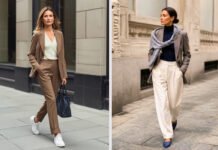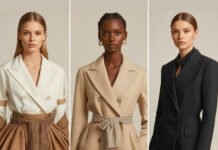
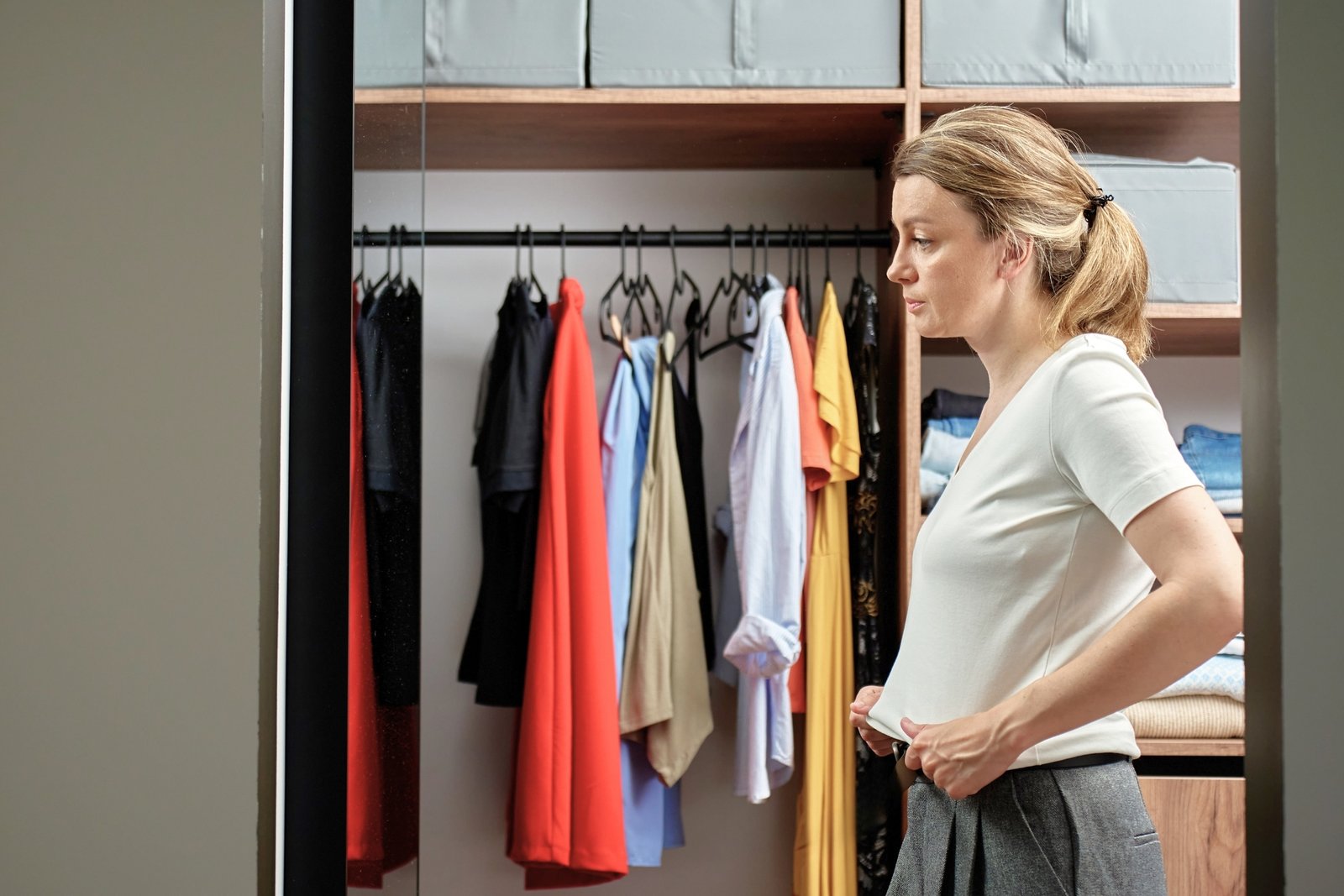
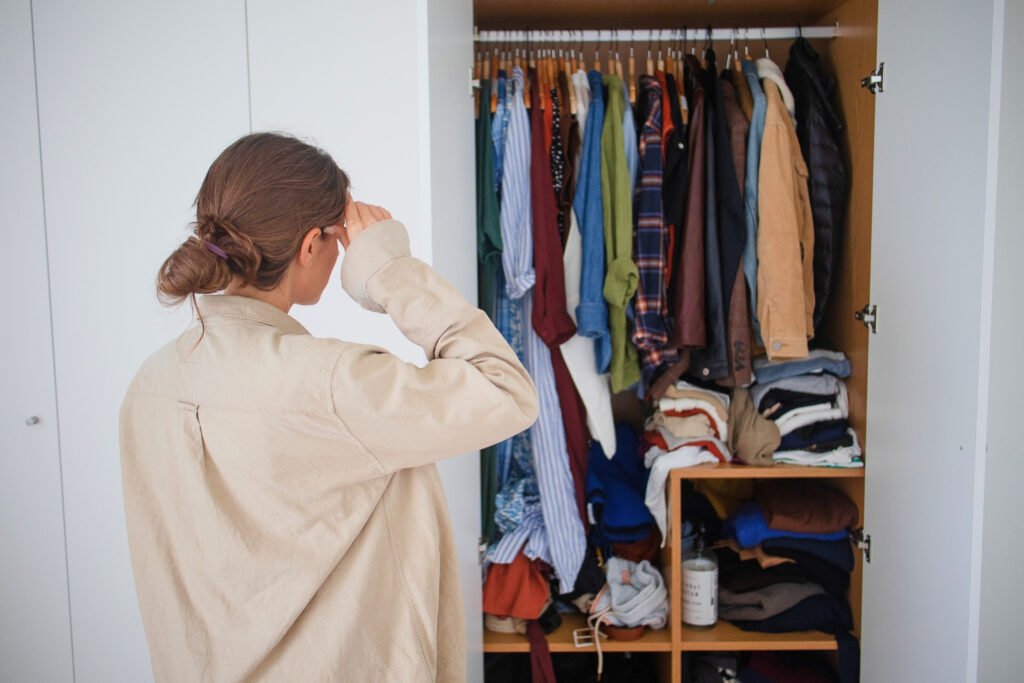
There is a frustrating moment that many women know well: you open your closet and see plenty of clothes, yet somehow feel like you have nothing to wear.
You have bought the beautiful blouse. The trendy trousers. The expensive-looking jacket. Maybe even the dress you loved immediately when you saw it online.
But somehow, the pieces don’t come together.
You keep buying because you are still searching for the thing that will finally make your wardrobe feel right. And with every new purchase, the closet gets fuller while getting dressed becomes more confusing.
The problem may not be that you need more clothes.
It may be that you haven’t discovered your personal style yet.
And when you don’t know your style, shopping becomes a guessing game.
Why We Keep Buying Clothes That Don’t Really Fit Us
Finding your style is not simply about knowing whether you like classic, casual, feminine, minimalist, or trendy clothing. Your style has to work with your personality, lifestyle, proportions, comfort level, and the way you actually want to feel when you get dressed.
Without that understanding, it is incredibly easy to shop based on other people’s ideas.
You see an outfit on Instagram and think, I need that.
You walk into a store and buy something because the color is beautiful.
You see a trend everywhere and convince yourself that you should try it.
Then you get home.
The garment is perfectly nice—but somehow, it doesn’t feel like you.
This happens because we often confuse admiring a style with wanting to live in that style.
You can love an oversized street-style look without wanting to wear oversized clothes every day. You can appreciate romantic dresses without feeling comfortable in them. You can admire minimalist wardrobes while still enjoying color and pattern.
Inspiration is useful.
Copying it blindly is not.
The Confidence Connection
Your clothes don’t determine your confidence. But the relationship you have with your clothes can absolutely affect how you feel.
When you repeatedly put something on and think:
Does this look right on me?
Is this too much?
Why doesn’t this look like it did in the picture?
Maybe I need different shoes.
Maybe I need to lose weight first.
those small doubts can accumulate.
Eventually, getting dressed becomes a daily negotiation with yourself.
The opposite can happen when your wardrobe starts reflecting you.
You put something on and don’t have to think about it.
You know the proportions work.
You know the colors feel right.
You know how to style the piece.
Most importantly, you recognize yourself in the mirror.
That feeling is one of the most valuable things a personal style can give you.
Your Style Is Not a Trend
One of the biggest mistakes is trying to define personal style by current fashion trends.
Trends change constantly. Your personal style doesn’t have to.
You might incorporate a trend into your wardrobe, but it should have a reason to be there.
Think of your personal style as the foundation and trends as the accessories.
For example, if your natural style is polished and understated, you might add a current oversized bag, updated trousers, or modern ballet flats.
You don’t need to completely reinvent yourself every season.
The goal isn’t to look like you follow fashion.
The goal is to look like you understand yourself.
Start With Your Real Life
Before looking at Pinterest, Instagram, TikTok, or fashion magazines, look at your calendar.
What do you actually do?
Do you work in an office? Work from home? Travel frequently? Go to school? Attend dinners and events? Spend weekends outdoors? Have an active social life?
Your wardrobe should support your real life.
A closet filled with beautiful cocktail dresses isn’t particularly useful if you spend most of your week in casual settings.
Likewise, a wardrobe full of leggings and sneakers may leave you frustrated if you regularly attend professional meetings or social events.
Your lifestyle should determine the structure of your wardrobe.
Fashion comes after that.
Find the Clothes You Already Love
Your closet is actually a useful source of information.
Take out the pieces you wear repeatedly—the ones you reach for without thinking.
Don’t ask whether they are fashionable.
Ask:
Why do I love wearing these?
Maybe you notice that:
- You prefer defined waistlines.
- You feel better in relaxed trousers than skinny jeans.
- You constantly choose neutral colors.
- You love structured jackets.
- You prefer simple jewelry.
- You feel most comfortable in soft fabrics.
- You always reach for dresses rather than separates.
- You like classic pieces with one modern detail.
These patterns are clues.
Your personal style is often already hiding inside your wardrobe.
You just haven’t named it yet.
Pay Attention to What Makes You Feel Good
A useful style question isn’t simply:
“Does this look good?”
Ask:
“How do I feel when I wear this?”
Do you feel elegant?
Relaxed?
Polished?
Feminine?
Powerful?
Modern?
Approachable?
Sophisticated?
Playful?
Your clothes should support the way you want to move through the world.
If you constantly adjust a dress, pull down a skirt, fix a neckline, or feel uncomfortable in a particular silhouette, it doesn’t matter how beautiful the garment is.
It isn’t doing its job for you.
Learn What Proportions Work for You
You don’t need to obsess over body-shape rules.
But understanding proportions can make shopping dramatically easier.
Notice what happens when you combine different silhouettes.
A voluminous top may work beautifully with a slimmer bottom. Wide-leg trousers may look especially balanced with a more fitted or tucked-in top. A long jacket can completely change the proportions of an outfit.
The goal isn’t to follow rigid rules.
It’s to understand visual balance.
Once you know which proportions make you feel comfortable and confident, shopping becomes much more intentional.
Instead of asking, “Is this trendy?”
you start asking:
“Does this silhouette work for me?”
That’s a much better question.
Create Your Personal Style Vocabulary
Try describing your ideal wardrobe using three to five words.
For example:
Polished — feminine — effortless — modern
Or:
Classic — relaxed — sophisticated — minimal
Or:
Colorful — artistic — playful — eclectic
These words become a filter.
Before buying something, ask whether it belongs in that vocabulary.
It doesn’t have to match every word perfectly. But if you repeatedly buy pieces that feel completely unrelated to your style vocabulary, you may end up with a wardrobe full of individual items that don’t work together.
Stop Shopping for Your Fantasy Life
This is one of the most important lessons.
Don’t build a wardrobe for the woman you might become.
Build it for the woman you are now.
Maybe you buy the dramatic heels because you imagine yourself wearing them to glamorous dinners.
But if you spend most evenings in comfortable restaurants, walking around the city, or meeting friends casually, those shoes may remain in the closet.
Maybe you buy a very formal blazer because you imagine becoming a corporate executive.
Maybe you buy vacation clothes for a trip that hasn’t been planned.
Maybe you buy a tiny evening bag even though you always carry too much.
These purchases aren’t necessarily bad.
But too many of them create a wardrobe based on fantasy rather than reality.
Your clothes should first serve your actual life.
Don’t Confuse a Bad Fit With Bad Style
Sometimes you love the idea of a garment but dislike it on yourself.
That doesn’t necessarily mean the style is wrong.
The issue could be:
- The size is incorrect.
- The fabric doesn’t drape well.
- The proportions are slightly off.
- The rise is uncomfortable.
- The length doesn’t work with your shoes.
- The color isn’t flattering near your face.
- The garment needs different styling.
This is why trying something on once and immediately deciding “this style isn’t for me” can be misleading.
Sometimes you don’t dislike the style.
You dislike that particular version of it.
Build Your Wardrobe Around a Few Reliable Foundations
Once you start recognizing your style, don’t rush out and replace everything.
Start with a small foundation.
Think about the pieces you genuinely need and repeatedly wear:
A great pair of trousers.
A versatile jacket.
A pair of jeans that fit well.
A simple dress.
A polished top.
A comfortable everyday shoe.
A bag that works with most of your wardrobe.
Then add personality.
Maybe it’s a beautiful scarf.
A distinctive pair of earrings.
A particular color.
A textured jacket.
A statement shoe.
Those details are often what make a wardrobe feel personal rather than generic.
Use the “Three Outfit” Rule Before Buying
Before purchasing something, imagine at least three outfits you could create with clothes you already own.
If you can immediately see three combinations, that’s a good sign.
If you can only imagine one very specific outfit—and that outfit requires buying two more things—you may be creating another wardrobe orphan.
A beautiful piece that works with half your closet is much more valuable than a spectacular piece that works with nothing.
Give Yourself Permission to Change
Finding your style doesn’t mean choosing one aesthetic and staying there forever.
Your lifestyle changes.
Your priorities change.
Your body changes.
Your career may change.
Your taste evolves.
A woman in her 20s may dress differently from the same woman in her 40s or 60s—and that’s perfectly normal.
Personal style isn’t a uniform.
It’s a relationship with fashion that evolves as you do.
You don’t have to decide, once and for all, “This is who I am.”
You simply need to become better at recognizing what feels like you right now.
Your Style Should Make Shopping Easier
The ultimate test of finding your style isn’t whether you can give yourself a fashionable label.
It’s whether shopping becomes easier.
Instead of seeing 100 things you could buy, you begin to recognize the 5 that make sense for you.
Instead of asking, “Should I try this because everyone is wearing it?” you ask, “Does this fit the woman I want to be?”
Instead of buying something because it’s beautiful, you consider whether it belongs in your wardrobe.
And instead of constantly searching for another outfit, you begin creating combinations from what you already own.
That’s when a wardrobe starts working for you.
The Goal Isn’t More Clothes. It’s More Clarity.
If your closet feels overwhelming, don’t assume you need a shopping trip.
You may need a pause.
Look at what you already own. Notice what you wear. Notice what you avoid. Pay attention to the silhouettes, colors, fabrics, and outfits that consistently make you feel good.
Your style is not hiding in the next shopping bag.
It is probably already there—in the pieces you repeatedly reach for, the outfits you remember feeling great in, and the version of yourself you feel most comfortable being.
Once you understand those patterns, you stop buying clothes simply because they are beautiful.
You start buying clothes because they belong to you.
And that is when getting dressed becomes less about searching for confidence—and more about expressing the confidence you already have.