
When you walk into someone’s home, can you tell something about the person who lives there?
Sometimes you can. You notice the books, the artwork, the furniture they’ve collected, the little things they’ve brought home from travels. The space feels comfortable and personal. You can imagine actually living there.
And sometimes… it could be almost anyone’s home.
Everything matches. Everything is perfectly new. The colors are safe, the furniture looks like it came from the same showroom, and there isn’t much that tells you who actually lives there.
That difference is at the heart of a design trend interior designers are increasingly talking about: the lived-in look.
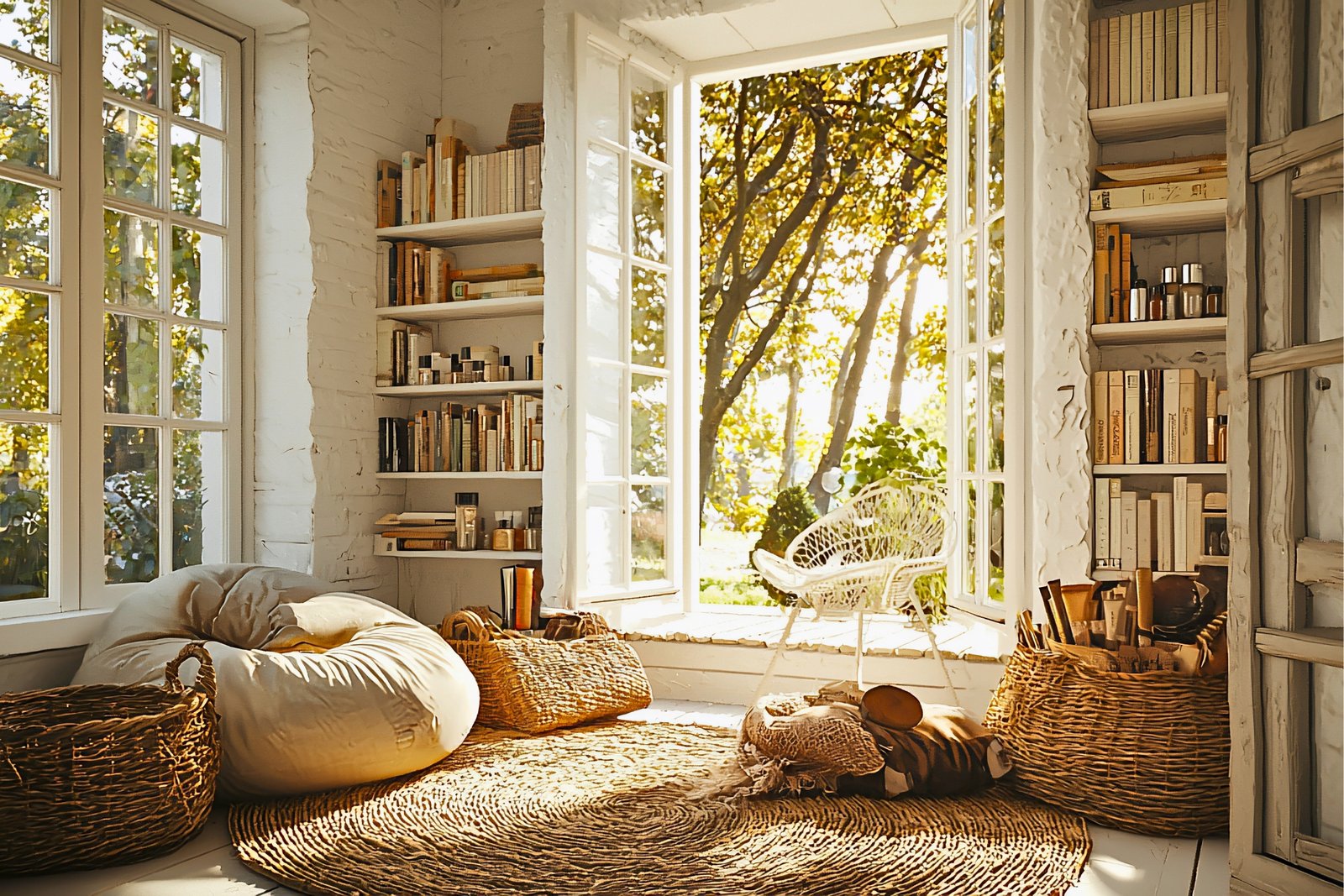
It’s a move away from homes that feel overly styled, flawless, and designed to appeal to everyone—and toward spaces that feel personal, comfortable, collected, and genuinely lived in.
This shift is being called the “anti-flip house” trend—a move away from perfectly polished, universally appealing interiors and toward homes with more personality, character, and individuality. After years of popularizing interiors with broad buyer appeal—think open floor plans, white oak, brass fixtures, and neutral finishes—designers are seeing more interest in personality, architectural quirks, and things that make a home different.
And I think there’s something nice about that.
Your home isn’t a showroom. It’s where you drink your coffee, relax after a long day, invite friends over, watch TV, read, cook, and simply spend your time. It should feel good to be there.
Let Your Home Show Some Personality
The easiest way to make a home feel personal is to stop asking whether everything matches and start asking whether it feels like you.
Maybe you love old furniture. Maybe you collect ceramics. Maybe you have photographs from places you’ve traveled. Maybe there’s a painting you bought simply because you loved it.
Those things give a room a story.
You don’t need to decorate every surface with personal objects. A few things that genuinely mean something to you can have more impact than an entire room of perfectly coordinated accessories.
Stop Trying to Make Everything Perfect
For years, there has been a strong desire for interiors that are practically indestructible—stain-proof fabrics, scratch-resistant surfaces, pristine kitchens, and materials that always look brand new.
But designers are noticing a renewed appreciation for patina and worn materials.
Berkshires-based designer Jess Cooney has described this shift as a move back toward beautiful patinas and materials that can show some wear after a period when clients wanted everything to be stain-proof and scratch-proof.
And honestly, a little wear can make a room feel warmer.
A wooden table that has developed character over the years can feel more inviting than one that looks like it has never been touched. Linen becomes softer. Leather changes. Brass develops a richer finish.
Your home doesn’t have to look untouched to look beautiful.
Mix Old With New
One of the quickest ways to make a space feel generic is to buy everything from the same collection.
Instead, mix things.
Put a modern sofa next to a vintage coffee table. Add an antique lamp to a contemporary room. Mix wood tones. Combine something inexpensive with one beautiful investment piece.
A home that has been collected over time usually feels much more interesting than one that was decorated in a single weekend.
Keep the Things That Make Your Home Different
That unusual architectural detail you almost removed? Maybe keep it.
The original molding. The slightly strange fireplace. The tiny reading nook. The old doors. The imperfect floorboards.
Not every quirk needs to be renovated away.
Those details can give a home character—and make it feel like it belongs to a particular place rather than looking interchangeable.
Make Comfort Part of the Design
A beautiful room that nobody wants to sit in isn’t doing much for you.
Think about how you actually live.
Do you like curling up on the sofa with a blanket? Give yourself a comfortable throw within reach. Do you read? Keep your books where you can easily grab them. Do you entertain? Make sure there is somewhere comfortable for people to sit and put down a drink.
A lived-in home should make everyday life easier, not make you afraid to touch anything.
Don’t Let Trends Take Over Your Home
You can love a design trend without turning your entire home into it.
Maybe you like warm neutrals. Add them.
Love dark wood? Bring in one beautiful piece.
Like sculptural lighting? Choose a statement lamp.
The goal isn’t to create a perfectly trendy interior. It’s to use trends as ingredients while keeping your own personality as the main design element.
Give Your Home a Story
This may be the most important part.
As AI makes it increasingly easy to create polished, beautiful, and almost interchangeable images, unique objects can become even more meaningful. Jess Cooney has suggested that as AI takes over more industries, genuinely unique items may gain value.
A handmade bowl. A vintage chair. A painting from a local artist. Something you found on a trip. A piece that has been in your family for years.
It doesn’t have to be perfect.
It just has to mean something to you.
The Home You Actually Want to Live In
The lived-in look isn’t about making your home messy or ignoring good design.
It’s about creating a space where comfort and personality matter as much as appearance.
Your home can be elegant and still have a blanket thrown over the sofa. It can be sophisticated and still have books stacked on the coffee table. It can be beautifully designed without looking like nobody is allowed to touch anything.
When you walk through the door, you should feel comfortable.
You should recognize yourself in the space.
And perhaps that’s the real shift interior designers are noticing: after years of trying to create homes that look perfect to everyone else, people are becoming more interested in creating homes that simply feel right to them.