

And How to Fix Them
Here’s something worth knowing before you spend another dollar on clothing: the gap between an outfit that looks expensive and one that doesn’t is rarely about price. It’s almost always about execution. Some of the most polished people you’ll ever see are wearing affordable pieces — they’ve just learned to avoid the small, fixable mistakes that quietly undermine an otherwise good outfit.
These are the ten most common ones.
1. Wearing Wrinkled Clothes
This one is brutal in its simplicity: wrinkles make everything look cheaper. It doesn’t matter if you’re wearing a $300 blouse — if it’s creased, it looks like you pulled it off the floor. And the frustrating thing is that this is the easiest problem on this entire list to solve.
Fix it: A handheld steamer is one of the best investments you can make for your wardrobe. It takes about two minutes to run over a garment before you put it on, and the difference is immediate. If you travel a lot, either pack a travel steamer or specifically choose wrinkle-resistant fabrics. Linen will betray you every time — factor that in.
2. Getting the Fit Wrong
If there’s one mistake that does more damage than any other, it’s this one. Clothes that don’t fit — whether they’re too big, too tight, or just slightly off — communicate “inexpensive” no matter what they actually cost. The reverse is also true: a $30 blazer that fits you perfectly will always look better than a $300 one that doesn’t.
Fix it: Find a good tailor and use them. You don’t need to tailor everything — but for the pieces you wear constantly (blazers, trousers, that one dress you love), it’s worth the small investment. Pay particular attention to shoulder seams, which should sit exactly at the edge of your shoulder, and hem lengths, which should hit exactly where they’re meant to.
The styling secret nobody talks about enough: fit is the single most powerful tool available to you. Everything else on this list is secondary.
3. Wearing Too Many Trends at Once
Trends are fun. There’s nothing wrong with them. But stacking multiple trend-driven pieces in a single outfit creates a look that feels chaotic and — ironically — dates itself very quickly. What reads as stylish today can look costumey by next year.
Fix it: Build your outfits around classics and let one trend-forward piece be the point of interest. A quiet, timeless base — tailored trousers, a simple knit, clean shoes — makes a single trendy piece feel intentional. When everything is making a statement, nothing is.
4. Choosing the Wrong Fabrics
There are certain fabrics that simply photograph as cheap. Ultra-shiny polyester, thin materials that cling and shift, anything that looks slightly synthetic under lighting — these details register, even when people can’t articulate why an outfit isn’t landing.
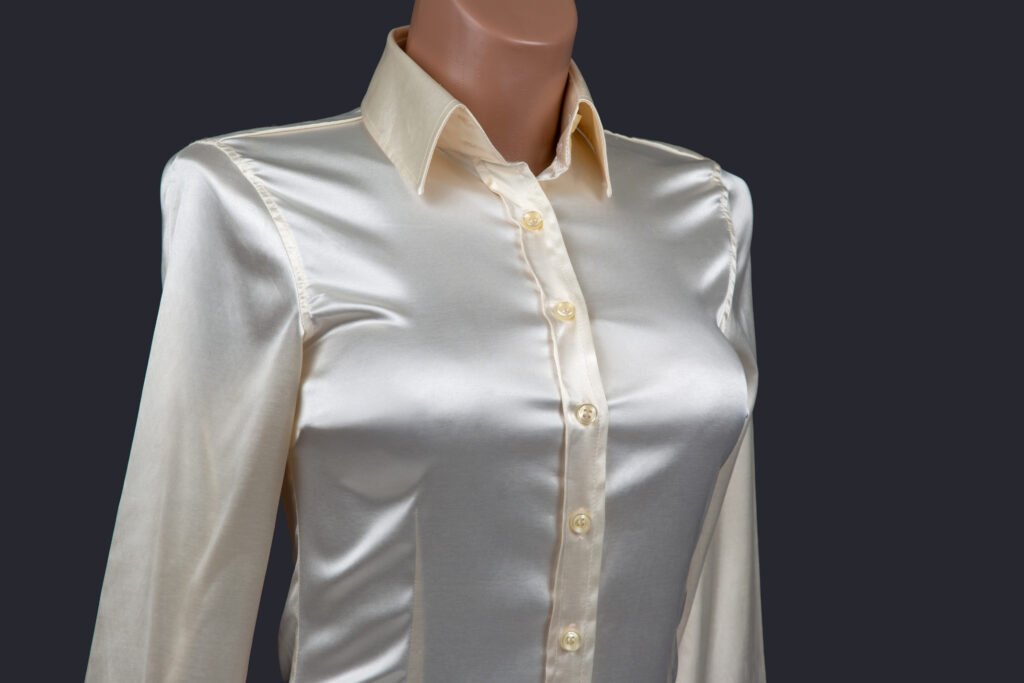
Fix it: This is where reading product descriptions before you buy pays off. Look for cotton, linen, wool blends, quality knits, and heavier wovens. Matte finishes almost always read as more expensive than high-shine ones. It’s not that synthetic fabrics are inherently bad — some are excellent — it’s about finding ones that look substantial rather than flimsy.
5. Overloading on Logos
This is a somewhat counterintuitive one, because logos are supposed to signal luxury. But big, obvious branding tends to have the opposite effect — it looks like you’re trying to prove something. The most genuinely expensive-looking style right now is largely logo-free.
Fix it: Lean into understated design. Choose pieces where the quality speaks through the construction, the fabric, the cut — not the name printed across the front. This is the entire philosophy behind quiet luxury, and it works because it’s rooted in something real.
6. Neglecting Your Shoes
People notice shoes. Often before they notice anything else. And worn-out, scuffed, or visibly tired footwear has a way of dragging the entire outfit down with it, regardless of how well the rest is put together.
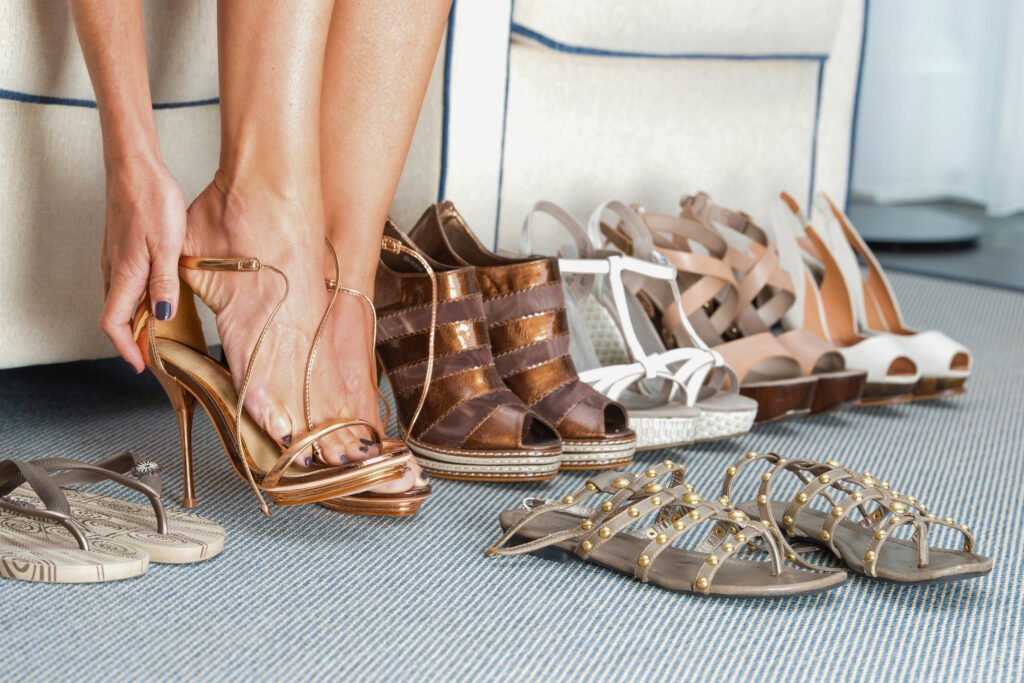
Fix it: Keep your shoes clean — this sounds obvious but it’s remarkable how much a simple wipe-down changes a shoe’s appearance. Replace heel caps when they wear down (a cobbler does this for very little money) and swap out dirty laces. If you invest in nothing else, invest in a few versatile neutral styles that you maintain well. Quality of upkeep matters more than quantity of options.
7. Wearing the Wrong Undergarments
Visible bra straps in the wrong context, visible panty lines, a bra that doesn’t fit properly and creates bunching under a fitted top — these details are small, but they create visual noise that pulls attention in the worst possible direction.
Fix it: Seamless undergarments are genuinely worth the investment. Match the color of your undergarments to your clothing as closely as possible (nude under white, not white). And if you haven’t been properly measured for a bra recently, it’s worth doing — the right fit makes a surprising difference in how clothes sit on your body.
8. Over-Accessorizing
More is not more. Stacking too many accessories — multiple necklaces, stacked bracelets, oversized earrings and a statement ring — creates visual clutter that reads as trying too hard. Sophisticated style almost always involves restraint.

Fix it: Choose one piece to be the focal point and let everything else step back. If the earrings are statement pieces, keep the necklace simple or skip it entirely. Stick to one metal tone per outfit where possible — mixing metals can work, but it requires a deliberate hand. When in doubt, take one thing off before you leave the house.
9. Ignoring Color Harmony
Throwing together colors that don’t speak to each other creates an outfit that looks unfinished — like the pieces were assembled without a plan. This is one of the subtler mistakes on this list, but it’s one of the most noticeable to anyone with a trained eye.
Fix it: Build your outfits around a cohesive palette. Neutral foundations — beige, cream, navy, black, camel, chocolate brown — make this easy, because they genuinely work with almost everything. Then bring in one accent color if you want it, rather than several competing ones.
Some combinations that are essentially foolproof:
- Camel + Cream
- Navy + White
- Black + Beige
- Gray + Burgundy
- Chocolate Brown + Ivory
10. Carrying a Worn-Out Bag
A scratched, peeling, or overstuffed bag can quietly undo a beautifully constructed outfit. The bag is often the last thing you add and the first thing people notice — which makes it one of the highest-leverage items in your whole wardrobe.
Fix it: Clean and condition your bags regularly. Avoid overfilling them — a bag that’s bursting at the seams loses its shape and its polish simultaneously. If a bag is genuinely past its prime, retire it. Choose structured styles with simple, quality-looking hardware, and you’ll find that even affordable options can look genuinely elevated when properly maintained.
The Bigger Picture
None of this requires spending more money. What it requires is paying attention — to fit, to fabric, to the small details that separate a polished outfit from one that just doesn’t quite come together.
The most elegantly dressed people aren’t necessarily wearing the most expensive things. They’ve just learned to avoid the mistakes that quietly signal otherwise. Fix these ten things, and your existing wardrobe will look better almost immediately.